

Roman Republic: Rise power and enduring legacy
The Roman Republic stands as one of the most influential political experiments in human history. From modest beginnings as a city state on the banks of the Tiber River it evolved into a complex republic that shaped law warfare and governance for centuries. This article explores the origins institutions expansion decline and lasting legacy of the Roman Republic offering readers a clear narrative that connects ancient events to modern ideas. If you enjoy deep dives into historical eras visit chronostual.com for more in depth articles and curated timelines.
Origins and foundation of the Roman Republic
The story of the Roman Republic begins with the overthrow of the last Roman king and the establishment of a new political order. According to tradition the monarchy ended in 509 BCE when Roman elites expelled their king and founded a mixed constitution that blended elements of aristocracy democracy and magistracy. The early Republic faced immediate challenges. Rome was surrounded by rival states and tribal groups. Survival depended on military skill prudent alliances and a capacity to innovate politically.
In those early decades social tensions between wealthy landholders and ordinary citizens shaped republican life. The struggle for political rights and economic relief produced legal reforms and new magistracies that expanded participation in government. This internal dynamism helped Rome endure crises and grow stronger as a community ready to confront external threats.
Political institutions and checks on power
One of the most striking features of the Roman Republic was its system of checks and balances. Power was not concentrated in a single ruler. Instead a complex set of magistrates assemblies and a senate shared authority. Consuls were annually elected chief magistrates who commanded armies and presided over the state. Their short term and joint rule reduced the risk of authoritarian rule.
The senate functioned as a deliberative body with substantial influence over foreign policy finance and legislative priorities. Although its members were initially drawn from aristocratic families the senate evolved to include a broader segment of Rome’s elite as the Republic expanded. Popular assemblies allowed citizens to vote on laws elect magistrates and try certain cases. This blend of institutions created a resilient system that enabled Rome to mobilize resources and sustain long campaigns of war and diplomacy.
Military organization and expansion
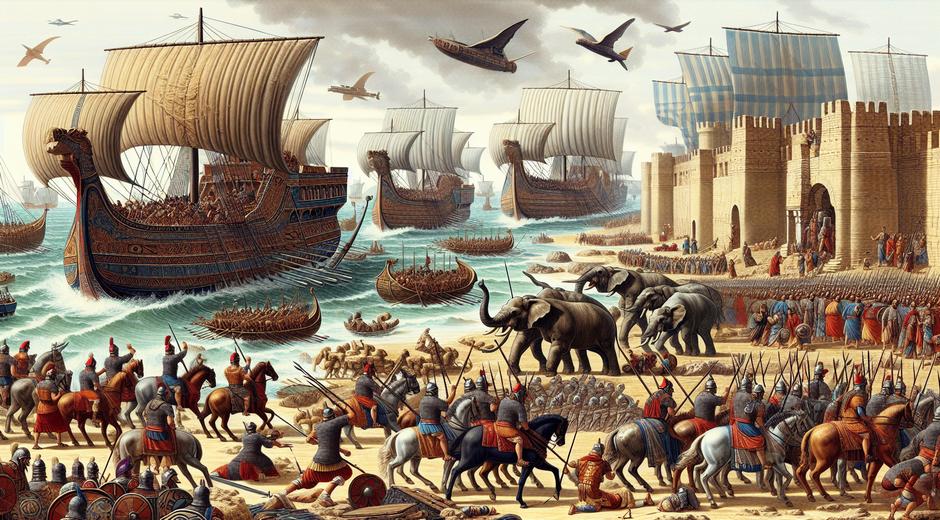
The Roman army was central to the Republics rise. Early on Rome relied on citizen soldiers who fought in exchange for land and civic honor. Over time military service became professionalized and strategic reforms increased efficiency. Military success led to expansion throughout the Italian peninsula and beyond. Rome forged alliances with local communities integrating them into a growing network of loyalty and obligation.
Conquests brought wealth and slaves to Rome but also social strain. The influx of booty transformed the economy and contributed to widening inequalities between rich and poor. Military commands became paths to personal glory and political power. Successful generals could leverage their victories to gain influence at home which altered republican politics in ways that would prove decisive in later centuries.
Society law and culture in the Republic
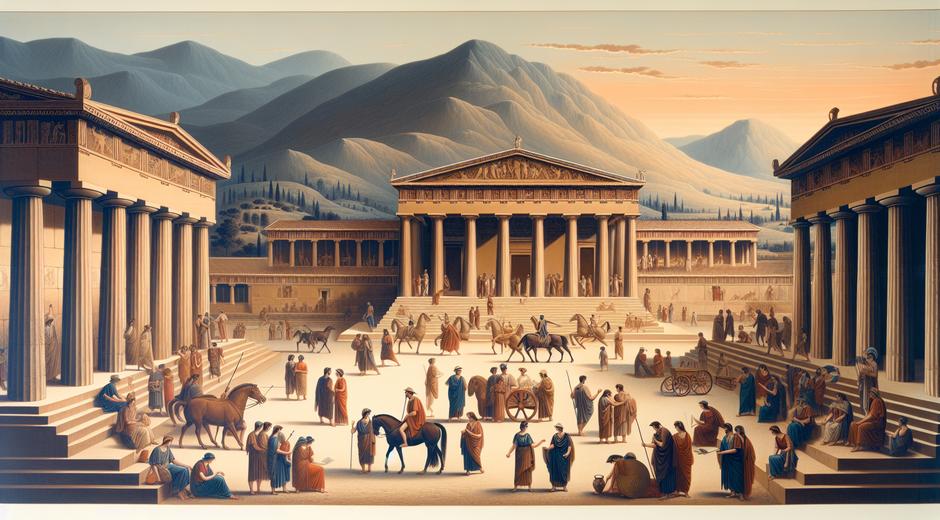
Roman society was structured by family ties patron client relationships and civic identity. Roman law developed from customary practices into a detailed legal system that influenced European law for centuries. The Twelve Tables and subsequent legal scholarship provided a framework for property rights contracts and criminal law. Education literature and architecture flourished as Rome absorbed Greek culture while also contributing original institutions and practices.
Religion and ritual were woven into public life. Temples ceremonies and civic festivals reinforced a sense of shared identity and public duty. Elite Romans demonstrated their status through public building programs generous patronage and military achievement. At the same time common citizens found meaning in local associations guilds and neighborhood life.
Political crises and the path to transformation
By the second and first centuries BCE political competition grew intense. The Republic confronted economic hardship social unrest and the rise of charismatic leaders. Land distribution disputes and veterans needs created pressure for reform. Populist leaders proposed sweeping measures to shift resources and power which often provoked fierce opposition from conservative senators.
These internal conflicts combined with ambitious military commanders returning from foreign wars to produce a cycle of rivalry and violence. Civil wars eroded republican norms as armies led by powerful generals intervened in politics. Key moments such as the conflict between Marius and Sulla and later the wars involving Julius Caesar marked turning points that revealed the Republics institutional fragility.
The end of the Republic and the rise of empire
The Republic did not end with a single event. Instead its transformation to imperial rule was a process that unfolded over decades. Julius Caesar crossed the Rubicon and seized power in a dramatic act that shattered republican conventions. His assassination reopened the path to conflict and ultimately led to the rise of Augustus who established a new political order. Augustus retained republican forms yet concentrated power in his hands creating the principate which we now call the Roman Empire.
This shift altered governance military command and social hierarchy. Many institutions of the Republic persisted in modified form. The senate continued to function though its influence waned as emperors consolidated authority. The Roman legal and administrative innovations of the Republic laid foundations for the imperial state and for legal traditions that survive in modern law.
Legacy of the Roman Republic
The legacy of the Roman Republic is profound and multifaceted. Its experiments with republican governance influenced political thought for centuries especially during periods when thinkers sought models of civic virtue mixed constitution and legal order. Renaissance scholars and modern republicans both looked back to Roman examples for lessons on citizenship accountability and the balance of power.
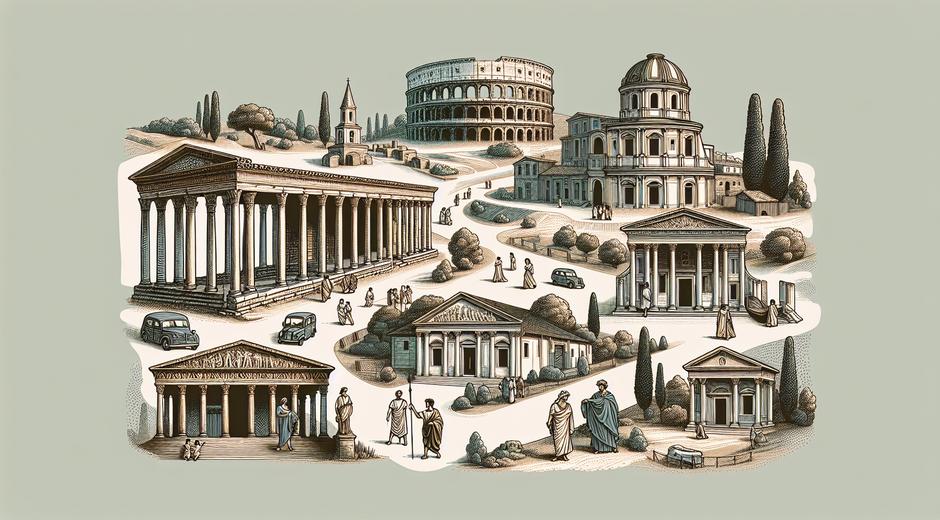
Roman law and administrative practices provided templates for later states. The language inscriptions and literature of the Republic continue to be studied for insight into ancient society and human nature. Archaeological sites in Rome and across the former republic attract visitors who seek to walk the same streets and see the monuments that shaped Western civilization. For those planning a journey to explore ancient Roman sites a curated travel guide can be helpful and one recommended resource is TripBeyondTravel.com which offers tailored itineraries and expert tips for visiting historic locations tied to the Roman world.
Why the Roman Republic still matters today
Studying the Roman Republic is more than an academic exercise. It reveals how institutions evolve to meet new challenges how civic culture can sustain collective action and how concentration of power can undermine democratic practices. Lessons drawn from Roman history inform contemporary debates about governance law public service and civic responsibility. The Roman example reminds us that political stability depends on more than legal frameworks alone. It requires norms public virtue and ongoing commitment to common goods.
For readers interested in deeper context timelines and related articles on ancient political systems visit our home page and explore curated posts at chronostual.com. Our site provides accessible analysis and primary source summaries that help learners connect past and present.
Conclusion
The Roman Republic was a dynamic and adaptive political system whose achievements and failures continue to instruct modern societies. Its institutions advanced ideas of shared governance its law shaped later legal systems and its history offers cautionary tales about inequality ambition and institutional decay. By studying the Republic we gain perspective on how communities organize power and how history can inform better choices today. Whether you are a student researcher or traveler the world of the Roman Republic offers insights that remain relevant and inspiring centuries after its transition into empire.