

Punic Wars: How Rome and Carthage Battled for Control of the Ancient Mediterranean
An overview of the conflict that defined an era
The Punic Wars stand among the most consequential conflicts of the ancient world. Spanning from 264 to 146 BCE they shaped the political economic and cultural landscape of the Mediterranean basin. At their core these wars were a struggle between two rising powers Rome and Carthage each pursuing security and influence. Understanding the Punic Wars is not only a study of military campaigns it is a window into competing commercial systems diplomatic rivalry and the evolution of imperial rule.
Why the name Punic matters
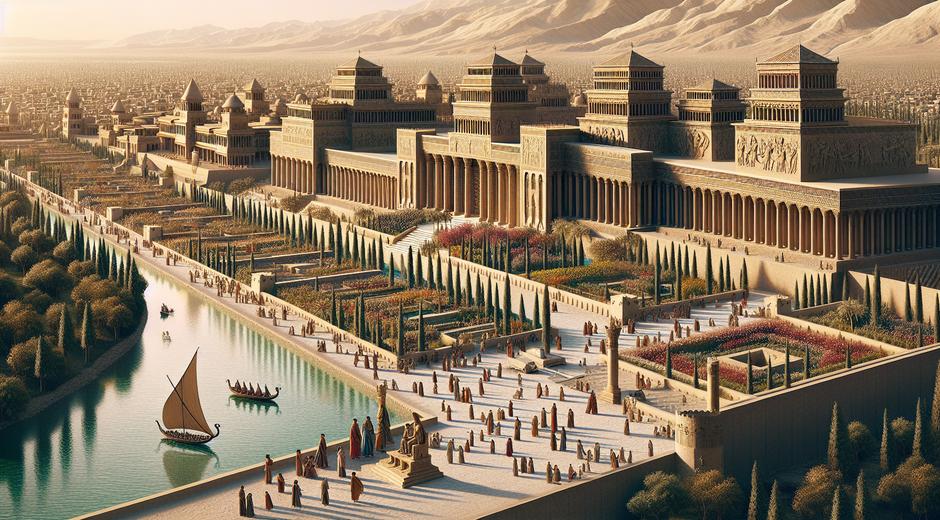
The term Punic comes from the Latin word Phoenicus which Romans used to describe people of Phoenician origin. Carthage was founded by settlers from the Phoenician city of Tyre and it grew into a wealthy maritime republic whose reach touched Spain North Africa Sicily and various islands in the western Mediterranean. Rome began as a city state in central Italy and by the third century BCE it was expanding outward. When these two powers collided their rivalry became one of the defining tensions of the ancient world.
The three great wars in summary
The Punic Wars are often separated into three major conflicts each with its own causes key figures and consequences. The First Punic War began over control of Sicily and naval supremacy. The Second Punic War is remembered for the bold Carthaginian general Hannibal and his daring crossing of the Alps. The Third Punic War ended with the total destruction of Carthage and the consolidation of Roman dominance in the western Mediterranean.
First Punic War 264 to 241 BCE
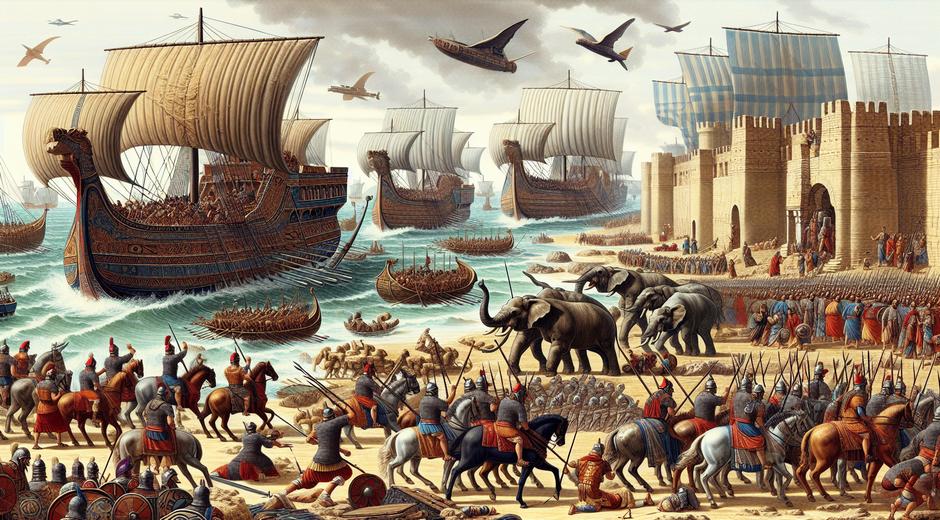
The First Punic War erupted from local disputes on the island of Sicily but it quickly became a struggle for naval power. Rome built its first large fleet to challenge Carthaginian control of the sea and innovated new naval tactics and technology to make up for its lack of seamanship. After decades of hard fighting Rome forced Carthage to concede Sicily and pay a heavy indemnity. The war marked Rome as a naval power and set the stage for further confrontation as both states sought new sources of revenue and allies.
Second Punic War 218 to 201 BCE
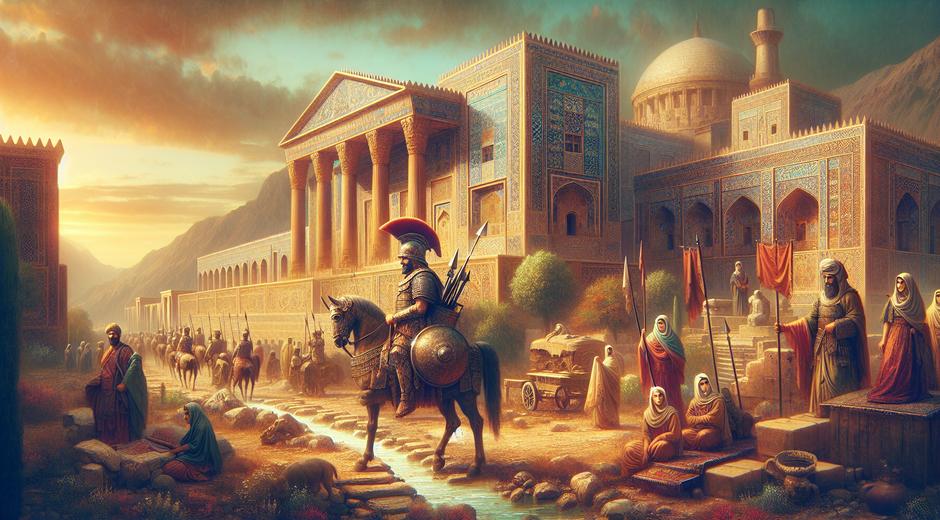
The Second Punic War remains the most famous phase of the conflict. Hannibal Barca led Carthaginian armies through Spain and across the Alps into Italy. His victories at places such as Trebia Lake Trasimene and Cannae showcased extraordinary tactical skill and inflicted catastrophic losses on Roman forces. Yet strategic difficulties and the resilience of Roman institutions allowed Rome to endure. Under the guidance of leaders like Fabius Maximus and Scipio Africanus Rome shifted strategy attacked Carthaginian holdings in Spain and ultimately took the fight to North Africa. Scipio defeated Hannibal at the decisive battle of Zama which forced Carthage to accept harsh terms and left Rome as the preeminent power in the western Mediterranean.
Third Punic War 149 to 146 BCE
Though Carthage had been weakened it recovered economically which stoked Roman anxieties. Political elements in Rome demanded a final settlement and in a brutal campaign the city of Carthage was besieged sacked and destroyed. Survivors were enslaved and the territory around the city was annexed as the Roman province of Africa. The destruction of Carthage removed a major rival and fed Rome’s expansion into the eastern Mediterranean and into direct rule over former client states.
Military innovation and adaptation
The Punic Wars drove rapid military innovation on both sides. Rome invested in building ships and training crews to fight at sea while adapting legionary tactics to meet diverse challenges. Carthage perfected naval commerce and fielded mercenary forces drawn from across the Mediterranean. Hannibal’s use of cavalry and his operational daring became a model studied by later commanders. The contests at sea and on land pushed commanders to innovate in logistics intelligence and combined arms maneuvers. These developments influenced military thought for centuries and contributed to Rome’s ability to project power far from its original base.
Economic and cultural consequences
Beyond battlefield outcomes the Punic Wars reconfigured trade networks and redistributed wealth. Rome gained access to grain and resource rich territories which supported population growth and urbanization inside the Italian peninsula. Carthaginian disruption changed trade patterns and allowed Roman merchants and elites to capture new markets. Cultural exchange continued as Roman society absorbed ideas from Hellenistic and Punic worlds. At the same time Roman administrative practices and law began to spread into newly acquired provinces creating a framework for imperial governance.
Political transformation in Rome
The demands of prolonged warfare transformed Roman politics. Military leaders accumulated prestige and resources which they used to influence civic life. The strain of sustained campaigns prompted changes in recruitment logistics and fiscal policy. The expansion fueled by victory in the Punic Wars created opportunities and tensions within Roman society as landless veterans and wealthy elites vied for influence. The period laid important groundwork for later political crises which would culminate in the end of the republican system and the rise of imperial rule.
Legacy for the Mediterranean world
The outcome of the Punic Wars left Rome dominant in the western Mediterranean and poised to influence the east. Roman institutions Roman military practice and Roman law shaped the region. The elimination of Carthage demonstrates how strategic decisions and political rivalries can lead to dramatic cultural and demographic change. For historians and enthusiasts the Punic Wars are a powerful case study in how trade politics military innovation and leadership interact to shape world history.
Where to explore more on ancient history
Readers who want to explore primary sources archaeological finds and modern scholarship can find rich material in specialized sites and academic publications. For a broad collection of historical essays and timelines consider visiting established platforms that curate research and commentary on ancient conflicts. For updates and diverse perspectives on political history and modern implications of ancient events you may find an external resource helpful such as Politicxy.com which offers articles that connect historical themes to present day discussion.
Why the Punic Wars still matter
The Punic Wars are more than a sequence of battles. They illustrate how economic rivalry and geopolitical concerns produce systemic change. These wars influenced legal and political institutions patterns of migration and the balance of power in a region that would remain central for centuries. By studying the Punic Wars scholars can trace the roots of Mediterranean integration the rise of imperial structures and the complex ways military success translates into cultural transformation. For readers interested in deeper exploration of timelines maps and interpretive essays try curated history hubs like chronostual.com which gather well documented material across eras and regions.
Conclusion
The Punic Wars remain a cornerstone topic for anyone studying antiquity. From naval contests to monumental sieges these wars reveal the interplay of commerce diplomacy and military power. Rome emerged as a dominant force but the legacy of Carthage endures in archaeological remains and in the lasting lesson that economic competition and strategic rivalry can fundamentally alter the fate of civilizations. For students of history the Punic Wars offer enduring insights into the dynamics of power and the long term consequences of war.