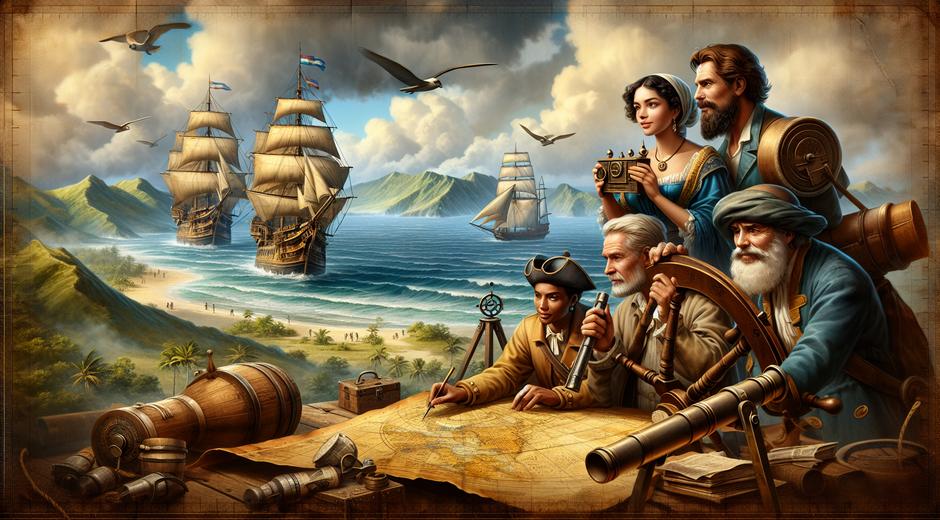


The Age of Exploration: How Global Encounters Changed the World
The Age of Exploration stands as one of the most transformative periods in human history. From the late fifteenth century into the seventeenth century explorers, merchants, sailors and states set out across oceans to chart new lands, to open new routes for trade and to lay claim to territories far from home. This era reshaped economies, cultures and the environment on a global scale. In this article we examine the causes, the key figures and the long term consequences of the Age of Exploration for societies across the globe.
Why the Age of Exploration Began
Several forces came together to produce this age of sustained ocean voyages. Advances in navigation and ship design made longer journeys possible. Political competition among emerging nation states created pressure to find new sources of wealth. Demand for spices and luxury goods in Europe drove merchants to search for direct routes to Asia. Religious motives also played a part as missionaries and rulers sought to spread beliefs and to secure influence in new regions.
The aim to bypass middlemen and to access riches directly was a major economic driver. For monarchs the payoff from successful expeditions could be vast in terms of treasure and trade revenue. For merchants, control of routes meant control of profit. Together these incentives pushed nations to invest in maritime exploration and to sponsor voyages that crossed new oceanic frontiers.
Key Figures and Voyages
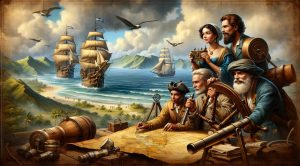
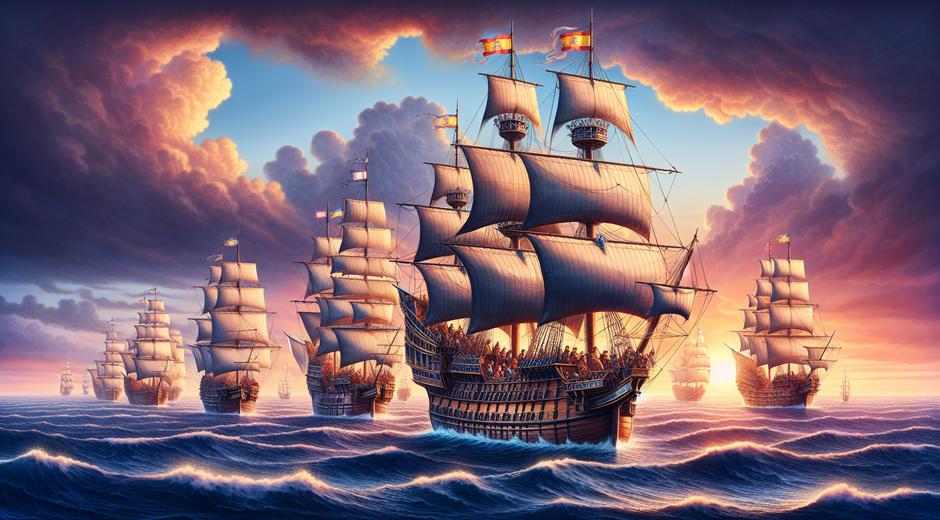
A small number of voyages captured public imagination and set the pattern for what followed. Christopher Columbus, sponsored by Spain, crossed the Atlantic in 1492 and stumbled into the Caribbean. Vasco da Gama of Portugal found a sea route to India around Africa in 1498. Ferdinand Magellan led a fleet that completed the first circumnavigation of the globe even though Magellan himself did not survive the entire voyage. Other notable explorers such as Hernán Cortés and Francisco Pizarro led expeditions that toppled powerful indigenous states in the Americas. These voyages opened maps and minds to a world of new possibilities and intense competition.
Technologies and Navigation
The Age of Exploration was as much about technology as it was about courage. Improvements in shipbuilding produced vessels that could carry more supplies and survive rough seas. The lateen sail allowed ships to tack against the wind. Portolan charts, the magnetic compass and advancements in celestial navigation reduced uncertainty on long voyages. Knowledge of currents and wind patterns also grew, which permitted sailors to plan more efficient routes across open water.
Education for navigators improved as maritime schools and training centers spread knowledge about tides, latitude and long distance travel. The accumulation of such knowledge made it possible for sustained exploration that linked distant continents in a single global network.
Trade, Commerce and the Columbian Exchange
One of the most significant outcomes of the Age of Exploration was the expansion of global trade. European powers established trade networks that moved goods, people and ideas across vast distances. The Columbian Exchange refers to the profound biological transfer between the Americas, Europe, Africa and Asia. Crops such as maize, potato and cassava moved from the Americas to the rest of the world and had major demographic effects. Conversely wheat, rice and sugar cane along with livestock moved into the Americas.
These transfers changed diets, agricultural systems and even population sizes. New goods created new markets and drove further voyages. Trade routes also supported the growth of powerful commercial companies and new urban centers that profited from overseas commerce. The economic landscape of the world was altered in ways that persisted for centuries.
Empire Building and Political Change
Exploration quickly became tied to imperial ambition. European states claimed vast territories and established colonies that served as sources of raw materials, labor and strategic advantage. Colonial systems often relied on coercion and created social hierarchies that privileged settlers and colonial administrators. The political map of the world was redrawn as overseas empires rose to prominence. Rivalries among imperial powers fueled competition for colonies and trade access.
Local polities in the Americas, Africa and Asia experienced dramatic disruption. Some states adapted by participating in new trade networks. Others were undermined by disease, violence and economic displacement. The political consequences of overseas expansion set the stage for modern global politics and for the inequalities that shaped subsequent centuries.
Cultural Encounters and Consequences
The Age of Exploration brought diverse peoples into sustained contact. These encounters were often unequal and sometimes violent. Missionary activity sought to convert indigenous populations to new faiths. European languages and cultural practices spread, while indigenous knowledge and traditions influenced visitors and settlers. The exchange was not one way. Art, cuisine and technology flowed in multiple directions and became woven into new cultural forms.
At the same time cultural contact could mean loss. Entire societies faced collapse due to disease or conquest. Traditional lifeways were disrupted by forced labor systems and by the imposition of foreign administrations. Yet even in such difficult contexts new hybrid cultures emerged, transforming music, religion, cuisine and social organization.
Human Cost: Slavery and Forced Migration
The commercial logic of the new global economy produced systems of forced labor that inflicted immense human suffering. The trans Atlantic slave trade forcibly moved millions of people from Africa to the Americas. Slave labor became central to plantations that produced sugar, tobacco and cotton for world markets. The consequences of this forced migration and exploitation remain visible in social structures and racial inequalities to the present day.
Any account of the Age of Exploration must reckon with these human costs. The promise of wealth for some was built upon the profound loss of freedom and life for many others. Understanding this complex legacy is essential to a full historical assessment.
Environmental Impact
The ecological footprint of the Age of Exploration was significant. The introduction of new crops and animals to ecosystems created profound change. Forests were cleared to plant cash crops. Soil systems were altered. New species sometimes became invasive and displaced native species. These changes contributed to long term shifts in landscapes and resource availability that affected both local populations and global supply chains.
How to Study the Age of Exploration Today
Modern scholars approach the Age of Exploration from many angles. Economic historians analyze trade patterns and financial institutions. Anthropologists and cultural historians study contact, exchange and identity formation. Environmental historians examine how species movement reshaped ecosystems. A balanced study combines archival evidence, material culture and indigenous perspectives to reconstruct a more complete picture of this era.
If you want a reliable source for further reading and for exploration of related historical themes visit chronostual.com where detailed articles and resources cover many aspects of world history. For a perspective on human health and wellbeing that complements historical study consider the work available at BodyWellnessGroup.com which explores how long term health and resilience connect to social and environmental change.
Conclusion
The Age of Exploration remade the map of the world. It brought deep innovation and profound harm. Trade networks and technological advances linked peoples and places in ways that still shape modern life. Equally important are the ethical and social questions raised by empire building and forced migration. Learning about this period helps explain why the world looks the way it does and offers lessons for how global encounters can be managed with greater justice in the future.
Studying the Age of Exploration is not an exercise in nostalgia. It is an effort to come to terms with a complex legacy and to use historical insight to inform better decisions today. Scholars, students and curious readers all benefit from exploring primary sources, reading diverse perspectives and considering the full range of consequences that this era produced.