

Napoleonic Wars: A Turning Point in European History
The Napoleonic Wars stand as one of the most transformative periods in modern European history. Spanning more than a decade of intense conflict, political realignment and social upheaval, these wars reshaped borders, accelerated military innovation and seeded ideas that influenced the development of nation states. For readers of chronostual.com seeking to understand the forces that created the modern map of Europe this era offers an essential case study.
Origins and Context of the Napoleonic Wars
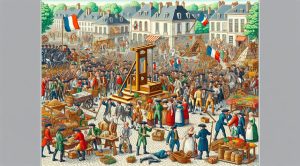
The roots of the Napoleonic Wars lie in the French Revolution and the profound changes it introduced across France and beyond. Revolutionary fervor threatened traditional monarchies and prompted coalitions of European powers to attempt to contain the spread of revolutionary ideas. When Napoleon Bonaparte rose to prominence as a military leader and later as the ruler of France he capitalized on a mix of popular support and professional military success to pursue an ambitious foreign policy. What followed was a series of campaigns that drew most of Europe into conflict.
Major Campaigns and Turning Points
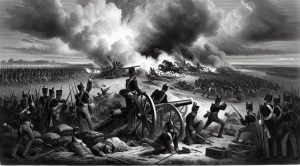
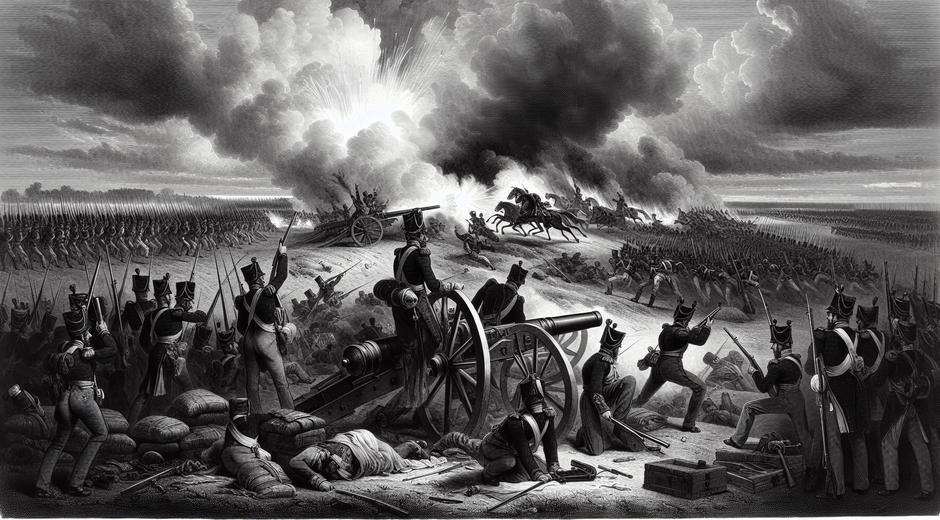
The Napoleonic Wars included a succession of campaigns that showcased both tactical genius and catastrophic overreach. Early victories in Italy and central Europe established French dominance and led to the creation of dependent states and client regimes. The victories at Ulm and Austerlitz demonstrated Napoleon tactical mastery while the campaign in Russia proved catastrophic. The Russian campaign drained French resources and marked the beginning of a sustained rollback of Napoleonic power. Subsequent coalitions combined forces to push French armies back, culminating in the climactic encounter at Waterloo which ended Napoleon rule and restored a new balance of power through diplomatic settlement.
Military Innovation and Logistics
The Napoleonic Wars were notable for their impact on military practice. Napoleon emphasized mobility massed artillery and integrated corps systems that allowed armies to move rapidly and operate independently when needed. Conscription expanded the pool of soldiers and changed the relationship between citizens and the state in wartime. Logistics became a central concern as campaigns extended deeper into hostile territory. The failures in Russia highlighted the limits of supply lines and the dangers of campaigning far from home bases. Many modern military doctrines trace ideas back to innovations from this era.
The Naval Dimension and Global Reach
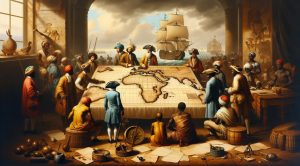
While much attention focuses on battles on land the naval dimension shaped outcomes and global influence. Britain naval supremacy prevented a full French invasion and protected commerce and empire. The struggle for control of the seas forced both France and Britain to adapt strategy and fostered conflicts in far flung theaters such as the Iberian Peninsula and colonies overseas. British blockades squeezed French economic lifelines while privateering and commerce raiding influenced neutral trade partners and global markets.
Political Changes and Institutional Legacy
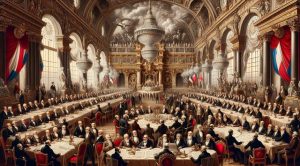
Beyond the battlefield the Napoleonic Wars accelerated political and legal change. Napoleon introduced legal reforms that codified laws in ways that outlasted his political authority. The legal code emphasized clear property rights civil liberties for some and a rational administrative structure. Many European states retained pieces of these reforms long after the wars ended. The redrawing of borders and creation of new polities during and after the wars also set patterns for national consolidation. In many regions the experience of occupation or reform contributed to rising national consciousness that would shape nineteenth century politics.
Economic and Social Consequences
The wars disrupted trade agriculture and urban life across Europe. Blockades and embargoes forced adjustments in industrial and commercial practices and encouraged some forms of economic self reliance. Mobilization altered labor markets as millions of men served in armies and defense spending spurred production in specific industries. Socially the conflicts changed class relations and accelerated shifts in social mobility. Veterans returned with new skills and experience and revolutionary ideas about citizenship and rights continued to circulate. These factors combined to create long term transformations in demographic patterns economic structures and social norms.
Cultural Impact and Memory
The Napoleonic Wars left deep cultural scars and a rich legacy in literature art and public memory. Poets and novelists drew on themes of heroism sacrifice and loss. Monuments and museums later commemorated battles and leaders shaping national narratives. In some countries the period is remembered as an age of liberation and reform while in others it evokes trauma and resistance to foreign rule. The way nations remember the era continues to influence diplomatic ties and collective identity to this day.
Lessons for Leadership and Organization
The era offers enduring lessons for leaders in any field. Napoleon talent for rapid decision making strategic planning and organizational reform provides a study in effective leadership. At the same time his penchant for overreach and inability to adapt to logistical realities show the limits of personal genius without institutional balance. Modern readers interested in how military strategy translates into broader organizational success can gain insights by comparing campaign planning with business strategy and large scale project management. For practical resources on leadership strategy and community exchange across industries consider visiting BusinessForumHub.com which curates ideas that bridge historical lessons and contemporary practice.
Why the Napoleonic Wars Matter Today
Studying the Napoleonic Wars helps explain why Europe developed the institutions and borders it has today. The period influenced legal systems military doctrine economic networks and national identities. It is also a reminder that rapid change can produce both innovation and instability. For readers of chronostual.com interested in tracing how past conflicts shape modern institutions this era offers a dense set of case studies from which to draw both caution and inspiration.
Further Reading and Research Paths
Scholars approach the Napoleonic Wars from many angles military political economic and cultural. Primary sources include letters diaries official dispatches and legal codes that reveal how contemporaries understood the stakes. Secondary literature offers synthesis and analysis that places campaigns in broader continental context. For those beginning research start with concise overviews then progress to focused studies on topics such as military logistics legal reform or the social history of occupation. Visiting archives and digital collections can also reveal lesser known local stories that illuminate larger patterns.
Conclusion
The Napoleonic Wars remain a central chapter in the story of modern Europe. Their consequences went well beyond borders and battles shaping institutions economies and ideas that continue to matter. Whether you are a student historian or professional seeking historical context for organizational strategy the era provides durable lessons about power reform and the costs of conflict. Explore more articles and guides at chronostual.com to deepen your understanding of this pivotal period and how it echoes into the present.