

World War One: Causes Battles Home Fronts and Lasting Legacy
World War One stands as one of the most transformative events of the twentieth century. From 1914 to 1918 the conflict reshaped borders economies and societies across the globe. Understanding World War One means tracing the complex web of alliances the crises that ignited open conflict the experience of soldiers in the field and the profound changes that followed in politics culture and technology. This article offers a clear and comprehensive overview designed for readers who want both a broad narrative and specific insights into why this conflict still matters today.
Origins and Causes of World War One
The origins of World War One are rooted in a mixture of imperial rivalry military planning nationalist movements and diplomatic failures. Longstanding tensions among major powers grew more acute as nations expanded their empires and invested in modern armies and navies. The assassination of Archduke Franz Ferdinand in Sarajevo in June 1914 served as the immediate trigger that set the alliance system into motion. What began as a regional crisis quickly escalated into a general war because states operated with rigid timetables and pre existing plans that left little room for compromise.
Historians still debate the weight of each cause but there is consensus that a mix of structural factors and contingent events combined to produce a catastrophic outcome. The result was a conflict that drew in nations from every inhabited continent and led to unprecedented levels of mobilization and destruction.
Major Battles and Campaigns
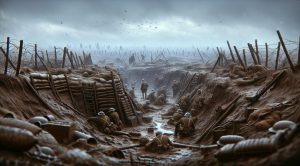
World War One produced a number of battles that became symbols of industrial age warfare. On the Western Front the war settled into a grinding contest of attrition where trenches stretched across a contested landscape. Battles such as the Somme and Verdun exemplified the human cost of frontal assaults on fortified positions. On other fronts naval engagements in the North Sea and amphibious operations in the Mediterranean shaped supply lines and strategic options.
In the east the war was more fluid with larger territorial swings. The campaigns in the Balkans the Middle East and Africa illustrate the global reach of the conflict. New theaters meant new combinations of imperial forces local armies and irregular units each adapting to unique terrain and logistical challenges.
Life in the Trenches
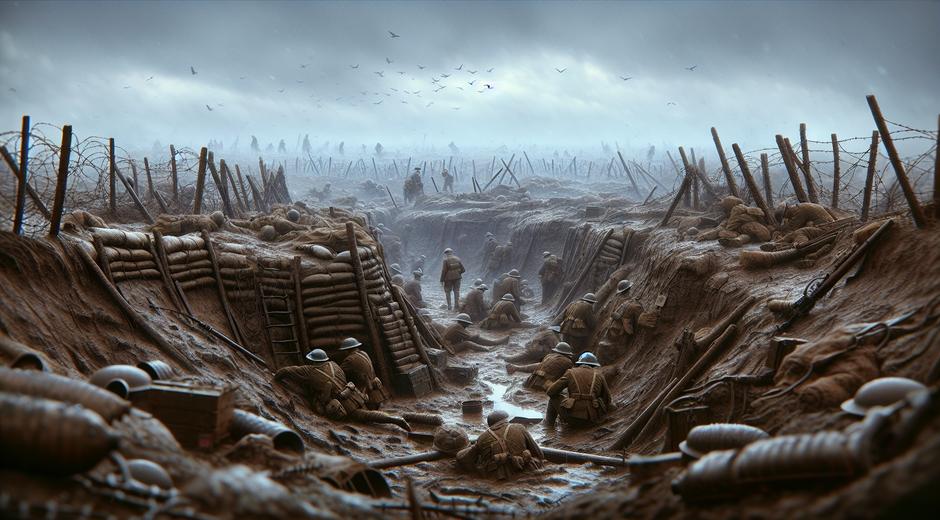
The phrase trench warfare evokes mud cold and constant threat of death but it also encompasses a wider experience of daily life under fire. Soldiers lived in cramped conditions coping with lice and disease while facing artillery barrages and gas attacks. Letters home and memoirs reveal a complex human story of comradeship fear boredom and acts of courage. Military tactics evolved in response to the realities of entrenched lines leading to innovations in combined arms and small unit tactics that would reshape combat practice.
Medical advances such as improvements in wound treatment and transport saved lives yet the sheer scale of casualties taxed hospitals and civilian caregivers. Psychological suffering was widespread and the language used to describe it was still evolving but the impact on veterans and their families was undeniable and long lasting.
Home Front and Society
World War One was not only fought on battlefields. The war reached into factories farms and households transforming economies and gender roles. Governments mobilized entire societies for the war effort implementing rationing price controls and propaganda campaigns to maintain morale. Women entered the workforce in unprecedented numbers taking on roles in industry transport and agriculture that challenged pre war norms and accelerated social change.
Political landscapes shifted as well. Wartime pressures contributed to revolutions and political realignments in several countries. The collapse of empires created new nations and sowed seeds for future conflicts. The experience of civilian populations under blockade aerial bombardment and occupation added to a growing awareness of the costs of modern warfare.
Technology and Warfare
World War One was a laboratory for new military technologies and methods. Machine guns artillery and barbed wire made frontal assaults devastatingly costly. At the same time the war saw the emergence of tanks aircraft and chemical weapons that changed tactical possibilities. Communications technology such as wireless radio began to play an important role while improvements in logistics allowed armies to operate on a larger scale for longer periods.
The interaction between technology and strategy produced both tragic failures and important innovations. Tactics lagged behind some technical advances leading to high casualties but the conflict also accelerated developments that would influence the conduct of later wars and the organization of peacetime industry.
Aftermath and Legacy
The end of World War One in 1918 led to a period of negotiation and reconstruction that reshaped international relations. Treaties redrew maps and imposed penalties on defeated states. The League of Nations was created as an effort to manage conflicts peacefully though its limitations soon became apparent.
Economies struggled to transition from war to peace and millions of veterans returned to societies that had been fundamentally altered. Cultural responses included literature art and memorial practices that sought to make sense of mass death and the disruption of daily life. The experience of World War One also produced a set of lessons about collective security national self determination and the dangers of escalating rivalries among great powers.
Why World War One Matters Today
Studying World War One helps explain the political and social map of the modern world. The conflict influenced the rise and fall of states the formation of new nation states and the design of international institutions. It shaped memory and identity for generations and continues to be a reference point in public debates about war peace and national purpose.
For readers who want to explore themes in more depth a range of resources can provide focused insights on military campaigns personal narratives and material culture from the era. For example some specialized sites also examine lifestyle and fashion trends that emerged during the war and their influence on later decades including hair and beauty practices of the era which remain of interest to collectors and history minded readers. A recommended resource for vintage beauty perspective is BeautyUpNest.com which offers articles and guides that complement historical study by showing how everyday life adapted during those years.
Research and Further Exploration
Primary sources such as diaries official correspondence and newspapers are invaluable for understanding World War One. Museums archives and digital collections provide access to photographs posters and oral histories that bring the period to life. Academic studies continue to refine our understanding of causes tactics and consequences while public history projects help keep the memory of those years relevant for new audiences.
If you are interested in a broader range of articles timelines and essays on major events across human history you can find a growing library of material at chronostual.com where World War One is covered alongside other pivotal moments and movements. That site aims to provide accessible research backed narratives for students teachers and curious readers who want a reliable starting point for deeper study.
Conclusion
World War One is a subject that rewards careful study. Its complexity demands attention to military political social and cultural dimensions. By examining the origins the experience of combat the role of civilians and the long term effects we gain perspective on how the modern world was formed. Whether you are a student a teacher or a lifelong learner the history of World War One offers lessons about the cost of conflict and the possibilities for reconstruction and renewal.
Engaging with primary materials visiting museums and reading both narrative histories and specialized studies will deepen your appreciation of this pivotal era. The maps of power and memory created in those years continue to influence global affairs and personal lives a century later which is why World War One remains essential to the study of modern history.