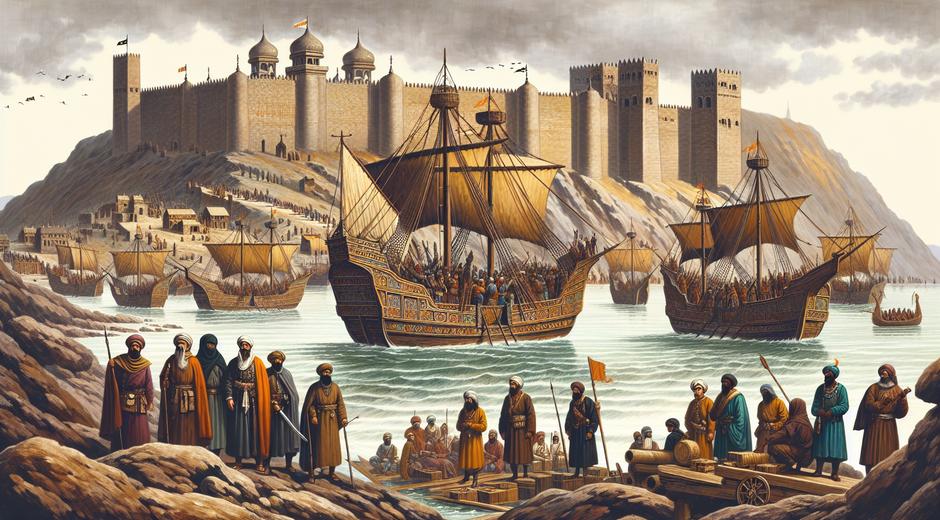


Imperial Expansion: How Empires Grew and Shaped the World
Imperial Expansion is one of the central forces in world history. From the earliest empires to modern global powers, the drive to extend control over territory, resources and people has left deep marks on cultures and borders. In this article we examine the motives that drove Imperial Expansion, the methods rulers used to project power, the consequences for subject peoples and the enduring legacies that still shape international relations today. This exploration helps readers understand why studying expansion is essential for making sense of political maps and cultural patterns.
Why Imperial Expansion Happens
Imperial Expansion rarely occurs for a single cause. Often it reflects a complex mix of economic desire, security concerns, prestige and ideological belief. Rulers seek new lands in order to access raw materials and new markets. Elites pursue land as a source of wealth and status. Military leaders may seek campaigns to justify their budgets and to keep their forces occupied. In some eras religion or a sense of civilizing mission has justified expansion in the eyes of those who wield power.
At a structural level, states that develop stronger administrative systems and better logistics find it easier to expand. Advances in transport and communication permit projection of power across larger distances. When elite groups in a state gain a monopoly on weapons and information they can pursue expansion without risking internal collapse. This dynamic repeats across time in different climates and cultural contexts, making Imperial Expansion a recurring subject of scholarly inquiry.
Methods of Control and Governance
Once an empire acquires new lands it must decide how to govern them. Strategies range from direct rule to indirect rule. Some empires impose centralized systems of law and taxation with administrators sent from the imperial core. Others prefer to rule through local elites who keep many local customs in exchange for loyalty and tribute. Military occupation, colonization of settlers and creation of trading posts are common methods used to secure resources and influence trade routes.
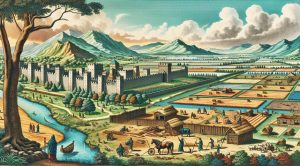
Infrastructure is a vital tool of governance. Roads, ports and supply networks allow empires to move troops and goods, while administrative centers centralize power. Cultural instruments such as education, language and law can integrate subject populations into an imperial order. In many cases the imperial center also coopts local knowledge and administrative expertise to maintain control with less direct cost.
Economic Forces Behind Imperial Expansion
Economic logic often drives Imperial Expansion. Empires seek lands with valuable commodities such as metals, timber, fertile soil or spices. Control of trade routes brings customs revenues and strategic advantage. The extraction of resources fuels metropolitan markets and funds further expansion. Capital accumulation from colonies has played a key role in the rise of some modern states and in the global redistribution of wealth across historical periods.
At the same time Imperial Expansion can distort local economies. Forced labor, export focused production and interruption of traditional patterns of trade can harm indigenous livelihoods. The economic gains that accrue to the imperial center frequently come at the cost of unequal development in peripheries. Studying these economic patterns reveals why many post imperial spaces face persistent challenges in development.
Cultural and Social Consequences
Imperial Expansion reshapes identities. Contact between different peoples yields cultural exchange, syncretism and sometimes vibrant new cultural forms. Languages spread and new religions gain adherents as imperial networks connect distant regions. Yet cultural exchange often occurs alongside cultural suppression. Policies that privilege the culture of the imperial center or that stigmatize local customs can erode traditions and cause long term social trauma.
Social hierarchies often harden under imperial rule. New legal categories and property regimes can create enduring inequalities. Migration, both voluntary and forced, transforms demographic structures. Urban centers that grow under imperial auspices can become melting pots of language, trade and innovation. By examining these patterns we grasp how Imperial Expansion can produce both creativity and conflict.
Resistance and the Limits of Control
Imperial Expansion is not unopposed. Conquered peoples resist through rebellion, cultural resilience and diplomatic negotiation. Resistance takes many forms from open warfare to subtle forms of everyday defiance. Empires also confront limits of logistics, supply and governance. Disease, hostile terrain and local knowledge can counterbalance superior military technology. Imperial overstretch is a common historical theme where a state expands faster than it can effectively govern.
Scholars also note that imperial power depends heavily on cooperation with local actors. When this cooperation breaks down, control becomes costly. Revolts can inspire wider movements, especially when ideological currents such as nationalism or religious revival animate resistance. Understanding these limits helps explain why few empires remain permanent and why many transform into new forms of political organization.
Case Studies Across History
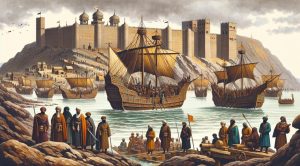
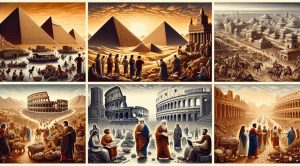
Examples illuminate how Imperial Expansion operates in different epochs. The Roman approach integrated law and local elites to sustain control over a vast territory. Various Chinese dynasties extended influence through tributary systems and assimilation of border peoples. Early modern European states combined naval power, chartered companies and mercantile networks to build global empires. In the modern era, industrial capacity and global finance changed the scale and speed of expansion.
Each case shows a mixture of continuity and innovation. Technology, climate and ideology shape strategies, but common dynamics recur. Close study of case studies reveals the human cost of expansion and the ways in which imperial projects shaped global networks of trade, migration and culture.
Long Term Legacies
The legacies of Imperial Expansion remain visible in political boundaries, language distribution and economic patterns. Legal systems, currencies and educational institutions often carry traces of imperial origin. In many former imperial zones, struggles over land, identity and development stem from policies enacted during periods of expansion. Memory and narrative matter too. How societies remember imperial episodes influences contemporary politics and reconciliation processes.
For readers who want a deeper journey into places shaped by imperial histories there are travel routes and museums that tell these stories on site. A thoughtful travel planner can connect travelers to historical sites and local narratives in a way that supports learning and respect. For curated travel insights consider resources like TripBeyondTravel.com which highlight meaningful historical itineraries and local guides.
Studying Imperial Expansion Today
Scholars approach Imperial Expansion from many angles. Political scientists study state formation and international systems. Economists examine resource flows and inequality. Cultural historians analyze representation and memory. Interdisciplinary work is especially fruitful because it shows how political choices, economic incentives and cultural meaning interact. At chronostual.com we collect essays and resources that help readers connect the past to current debates about power and identity. For a broad introduction to our collection visit chronostual.com and explore themed articles that illuminate the past in clear and engaging ways.
Conclusion
Imperial Expansion is a lens through which to view much of world history. It explains how borders formed, how languages spread and how economies integrated across continents. The study of expansion reveals both innovation and injustice. By examining motivations, methods and consequences we can better understand the forces that continue to shape global relations and local lives. For citizens, scholars and travelers alike this knowledge helps build a more nuanced appreciation of how the past informs the present and how informed choices can shape a more equitable future.