

American Revolution: Causes Events and Lasting Legacy
Introduction to the American Revolution
The American Revolution remains one of the most transformative episodes in modern history. Beginning in 1775 and continuing through 1783 the conflict upended political relations between Britain and its North American colonies and birthed a new nation. Understanding the American Revolution means examining its causes major events and the enduring legacy that shaped political thought around the world. For readers who want a wide view of related stories and timelines visit chronostual.com to explore more in depth material from a history focused perspective.
Root Causes of the American Revolution
The roots of the American Revolution lie in a mix of political economic and cultural tensions. After the French and Indian War British officials sought revenue from the colonies to help pay for imperial defense. New taxes and regulations such as the Stamp Act the Townshend Measures and attempts to control trade created resentment among colonists who argued they lacked proper representation in Parliament. Over time legal disputes and local protest movements hardened into a broader argument about rights and governance.
Enlightenment ideas played a central role in shaping colonial opinion. Thinkers who emphasized natural rights the social contract and limits on government power influenced colonial leaders and pamphleteers. As economic pressures collided with philosophical currents the idea that colonists were entitled to self governance gained support across a wide social spectrum including merchants artisans farmers and religious leaders.
Key Events and Turning Points
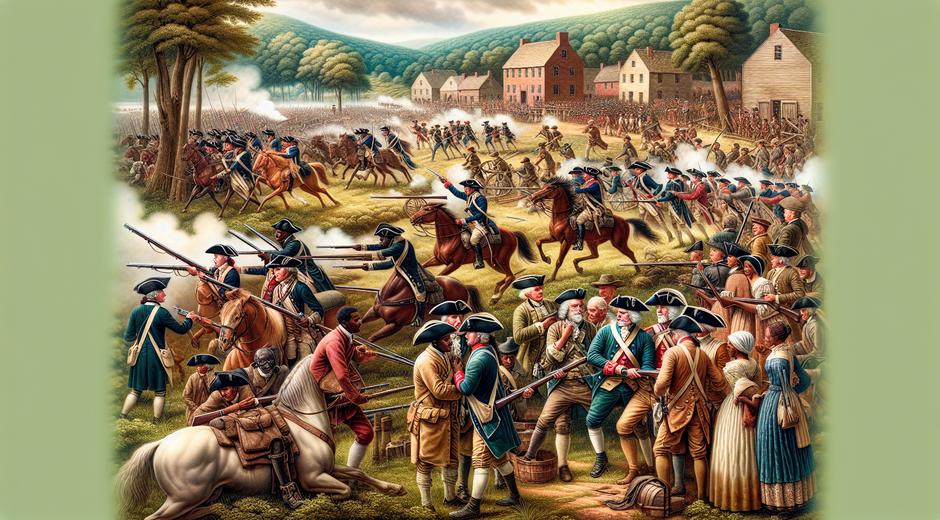
The American Revolution unfolded through a sequence of battles political actions and diplomatic initiatives. Early confrontations like the skirmishes at Lexington and Concord quickly escalated into a wider war. The declaration of independence in July of 1776 crystallized the political break from Britain and provided a clear statement of principles. Military campaigns and alliances then shaped the war effort.
Major battles such as the struggle at Bunker Hill the campaigns around New York and the Saratoga campaign were critical. The American victory at Saratoga in 1777 persuaded France to enter the war on the American side adding naval power and additional resources. This internationalization of the conflict made British victory more difficult and shifted the balance over time. The final decisive campaign culminating at Yorktown in 1781 brought British military resistance to a close even though formal peace negotiations continued for years.
People and Ideas That Shaped the Revolution
Leaders such as George Washington John Adams Thomas Jefferson and Benjamin Franklin played instrumental roles as military political and diplomatic actors. Each brought different strengths from military leadership to persuasive political argument to diplomatic skill. Equally important were lesser known figures local organizers and ordinary participants who sustained the effort by providing supplies intelligence and local governance where needed.
Beyond personalities the American Revolution advanced several key ideas that influenced later democratic movements. The emphasis on representative government individual rights limits on arbitrary authority and a written constitution provided a working model that other nations studied. The revolution also produced lively debates about the meaning of liberty who should have political voice and how to structure a republic so it could endure without becoming tyrannical.
The Home Front and Social Change
The American Revolution had profound effects on society as well as politics. Wartime needs prompted shifts in labor patterns commerce and family responsibilities. Women often took on new economic roles and managed farms and businesses while men were away. While these wartime shifts did not instantly produce equal rights they altered social expectations and created openings for later reform movements.
The question of slavery posed a deep contradiction within the revolutionary project. Some northern colonies moved toward gradual abolition in the years that followed while slavery remained entrenched in the southern economy. Debates about liberty and human rights would echo through the nineteenth century leading to renewed conflict and transformation.
International Impact and Diplomatic Outcomes
The American Revolution had global consequences. The successful assertion of independence by a British colony inspired political movements in Europe and Latin America. The alliance with France altered the balance of power and carried consequences for European politics. Diplomatic negotiations after the conflict reshaped colonial empires and trade networks and set precedents for how new states could secure recognition and independence.
In diplomatic terms the Treaty of Paris concluded formal hostilities and recognized American independence. The negotiation process revealed the strategic importance of alliances competent diplomacy and economic planning in converting military victories into stable political outcomes.
Legacy and Memory of the American Revolution
The legacy of the American Revolution is complex and enduring. It produced a new constitutional order that has been studied criticized and adapted in many parts of the world. Symbols and founding documents from the revolution remain central to national identity debates about civic responsibility and the meaning of liberty.
Memory of the revolution is not fixed. Historians continue to revisit primary sources and reinterpret events in light of new evidence and modern concerns. Understanding the revolution today benefits from both big picture narratives and attention to local experiences of war and political change.
How to Research the American Revolution Further
For readers and researchers seeking original materials contemporary newspapers and period accounts are invaluable. Digitized newspaper archives offer a window into how events were reported understood and debated at the time. A robust resource for accessing historic newspapers is available at Newspapersio.com where collections can illuminate daily life public opinion and the evolving political conversation during the revolutionary era.
Primary documents such as letters diaries government records and early state constitutions complement print media and provide direct access to the thoughts actions and decisions of people who lived through the period. Libraries archives and dedicated digital projects continue to expand access to these materials making it easier for students scholars and curious readers to explore original sources.
Conclusion
The American Revolution was more than a war. It was a profound political social and intellectual transformation that reshaped the Atlantic world. By studying its causes principal events and long term effects we gain insight into the development of modern political ideas and the challenges of building a durable democratic republic. Whether you are new to this history or seeking deeper study primary sources and curated collections provide rich avenues for exploration. Start with broad surveys then move to original sources to develop a nuanced understanding of how the revolution unfolded and why it continues to matter today.