

Hellenistic Era
The Hellenistic Era stands as one of the most dynamic periods in ancient history. Spanning roughly from the death of Alexander the Great in 323 BC to the rise of Roman hegemony in the first century BC the Hellenistic Era reshaped politics culture and intellectual life across a vast region stretching from Greece to the edges of South Asia. This article explores the origins major developments and enduring legacy of that era with a focus on the forces that made it a global crucible for innovation and exchange.
Origins and Expansion
The Hellenistic Era began when Alexander the Great created an empire that connected diverse lands and peoples. After his death competing generals carved the realm into successor kingdoms that included the Ptolemaic realm in Egypt the Seleucid realm in western Asia and the Antigonid realm in Macedonia. These new states blended Greek institutions with local traditions creating hybrid systems of governance and culture. The movement of peoples and goods across the former imperial network encouraged urban growth and the creation of new centers of power. Cities such as Alexandria Antioch and Pergamon became hubs of administration commerce and learning.
The spread of Greek language and customs across these territories does not mean a simple replacement of native ways. Instead the Hellenistic Era produced a layered cultural landscape where Greek cities co existed with indigenous communities and local elites adapted Greek models to suit regional needs. Trade routes expanded and new maritime and overland corridors linked markets from the Aegean Sea to the Indus Valley.
Political Landscape
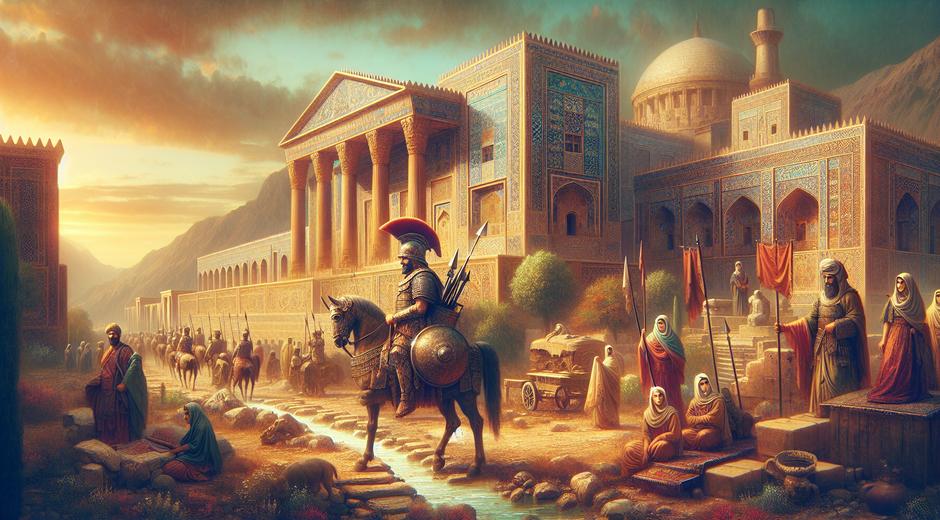
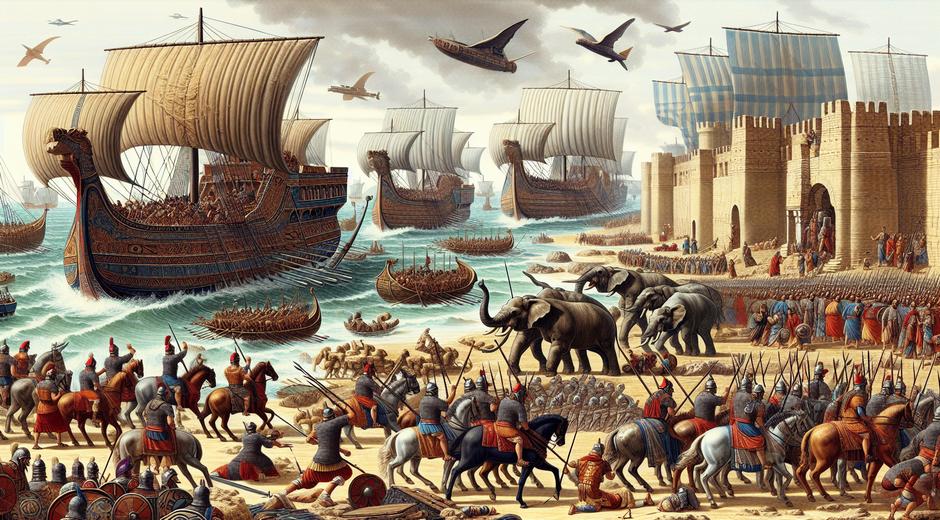
Political life in the Hellenistic Era was marked by royal courts city alliances and frequent military conflict. Monarchs used displays of wealth public works and dynastic marriage to legitimize their authority. Competition between kingdoms led to diplomatic innovation and the use of mercenary forces on a scale not seen previously. This competition also accelerated the professionalization of armies and naval fleets.
City states retained a measure of autonomy but often operated in the shadow of larger kingdoms. Some cities served as cultural ambassadors for Greek education and political practice while others pursued local agendas. The resulting political mosaic was complex and fluid with shifting coalitions and periodic large scale wars that kept the balance of power in motion.
Cultural and Social Life
Cultural life during the Hellenistic Era flourished across multiple domains. New types of literature emerged artists experimented with emotional realism and dramatists explored personal and social themes. In the visual arts sculptors favored dynamic composition and naturalistic detail producing works that conveyed movement and expression with new intensity.
Religion and daily life reflected the era’s pluralism. People often practiced traditional faiths alongside new cults that offered personal salvation or practical benefits. Syncretic forms of worship blended Greek gods with local deities and created new rituals that appealed to various social groups.
Social structures expanded as cities grew. A cosmopolitan urban class included merchants artisans administrators and scholars who moved between cultural worlds. Women in some Hellenistic courts attained influence through patronage and even through sovereign rule as in the case of several notable Egyptian queens.
Science Philosophy and Learning
The Hellenistic Era saw major advances in science mathematics and thought. Alexandria became synonymous with scholarship drawing thinkers who pursued studies in astronomy geometry medicine and engineering. Libraries and institutions supported systematic inquiry and the accumulation of texts that scholars used across generations.
Philosophical schools adapted to changing social needs. Stoicism promoted mental resilience and ethical clarity while Epicureanism offered a system focused on pleasure defined as the absence of pain and undue desire. Skeptic schools questioned the grounds for certain knowledge encouraging debate about perception reason and belief.
Medical knowledge became more empirical with physicians documenting symptoms and treatments in ways that foreshadowed later medical practice. Advances in optics mechanics and geography also traced their origins to experiments and observations made during this rich intellectual period.
Art Architecture and Urban Design
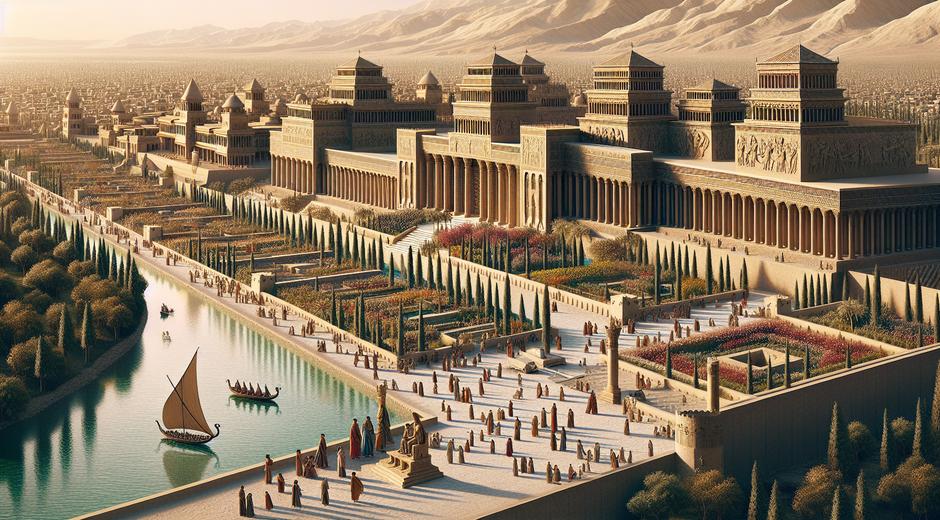
In the Hellenistic Era sculptors developed new approaches that highlighted individuality and dramatic narrative. Portraiture gained prominence showing a range of human emotion and character. Monumental architecture combined Greek forms with local motifs resulting in new types of temples theaters and public spaces that addressed the needs of larger urban populations.
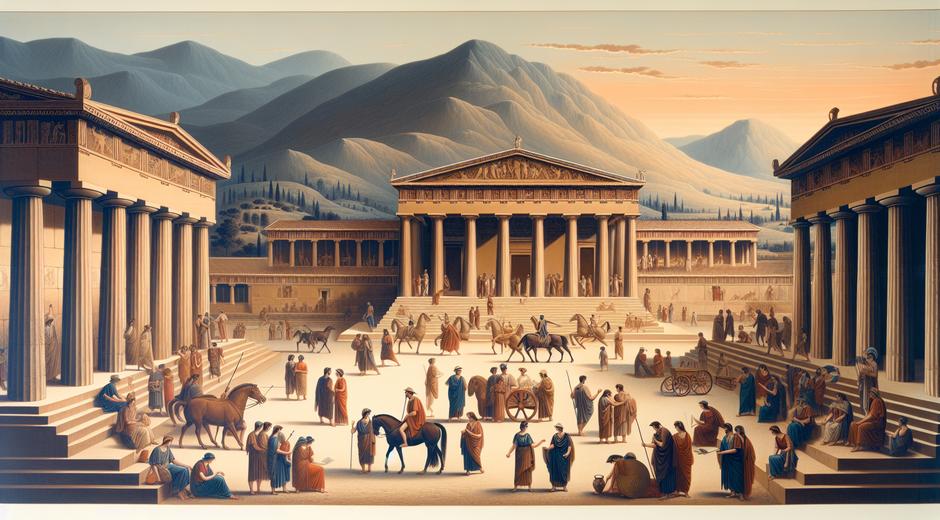
Urban planning evolved to support commerce public life and display. Large ports warehouses markets and road networks facilitated trade while stoas agoras and gymnasia provided social and civic functions. Public sculpture and mausolea served as expressions of power and civic identity.
Economy and Trade
The economic patterns of the Hellenistic Era reflected expanded networks of exchange. Coinage standardized transactions across regions supporting merchants and facilitating taxation. Agricultural production diversified with estates producing different crops for local consumption and export.
Maritime trade flourished with merchant vessels connecting Mediterranean ports to Red Sea routes that reached the Indian Ocean. Overland caravan routes continued to move goods spices textiles and ideas across continents. This period created sustained commercial integration that influenced consumption patterns and local craft production in many regions.
Legacy and Influence
The legacy of the Hellenistic Era is profound and multifaceted. Its blending of cultures shaped languages art and religious practices for centuries. Greek served as a lingua franca in many areas enabling exchange of texts and ideas that influenced later Roman culture and beyond. Scientific and philosophical developments from the Hellenistic period provided foundations that later scholars built upon in the Roman world and in the Islamic golden age.
Modern archaeological and textual research continues to reveal how the Hellenistic Era fostered networks of knowledge and trade that linked distant societies. For readers wanting to explore related resources and curated content on ancient history a visit to chronostual.com can provide further articles timelines and analysis that expand on many of the themes discussed here.
Why the Hellenistic Era Still Matters
The Hellenistic Era matters for how it demonstrates the potential of cultural contact to generate creativity and new institutions. It shows how ideas cross borders adapt and transform. From scientific method to urban institutions the period contributed practices that shaped later civilizations. Its lessons are relevant for modern readers interested in cultural exchange globalization and the resilience of knowledge networks.
For anyone curious about practical applications of ancient knowledge in areas such as herbal medicine ecology and the study of ancient landscapes a modern resource that collects research and products inspired by traditional knowledge is available at BioNatureVista.com This link offers an example of how ancient practices can inspire contemporary exploration.
Conclusion
The Hellenistic Era represents a chapter in human history when borders were porous and exchange was prolific. It cultivated centers of learning transformed artistic expression and reshaped political life across continents. Its synthesis of Greek and local elements created a durable legacy that continued to influence subsequent ages. Studying the Hellenistic Era offers insight into the mechanisms of cultural innovation and the long reach of ancient connections.
By examining the period through lenses of politics culture science and economy we gain a clearer picture of how ancient societies adapted to large scale change. The Hellenistic Era ultimately reminds us that periods of intense contact can produce advances that persist for centuries and that understanding this past enriches our appreciation of the present.