

Lost Civilizations Rediscovered: Why They Still Shape Our World
The phrase Lost Civilizations evokes mystery and wonder. From cities swallowed by sand to cultures that vanished without a written goodbye, these societies spark curiosity and fuel modern research. Studying Lost Civilizations is not only about uncovering artifacts. It reveals human resilience innovation and the causes behind rise and fall. This article explores notable examples the methods scholars use to find them and why understanding these cultures matters for our future.
What We Mean by Lost Civilizations
Lost Civilizations refers to complex societies that once had distinct social organization built monumental architecture or developed writing and then declined or disappeared from common knowledge. Some of these societies left clear ruins and written records. Others vanished leaving almost no trace until modern archaeology technology and comparative study brought their stories back to light. The study of Lost Civilizations involves multiple fields including archaeology anthropology paleoclimatology and remote sensing. Together these approaches turn fragments into narratives.
Famous Examples and What They Teach Us
One of the most cited examples of Lost Civilizations is the Indus Valley culture. Flourishing along river plains this society built well planned cities with advanced sanitation. The reasons for its decline remain debated. Climate change river course shifts and social transformation all play roles in current theories.
The Maya civilization is another example that blends continuity and collapse. Cities across a large region show impressive architecture astronomy and writing. Yet many urban centers were abandoned centuries ago. Superficial explanations that blame a single event have given way to complex models. Prolonged drought resource strain social conflict and economic shifts all contributed to the changing landscape.
Easter Island also captures public imagination. Known for massive stone statues the society faced ecological limits on a small island. The story of resource overuse and adaptation offers stark lessons on sustainability and human decision making.
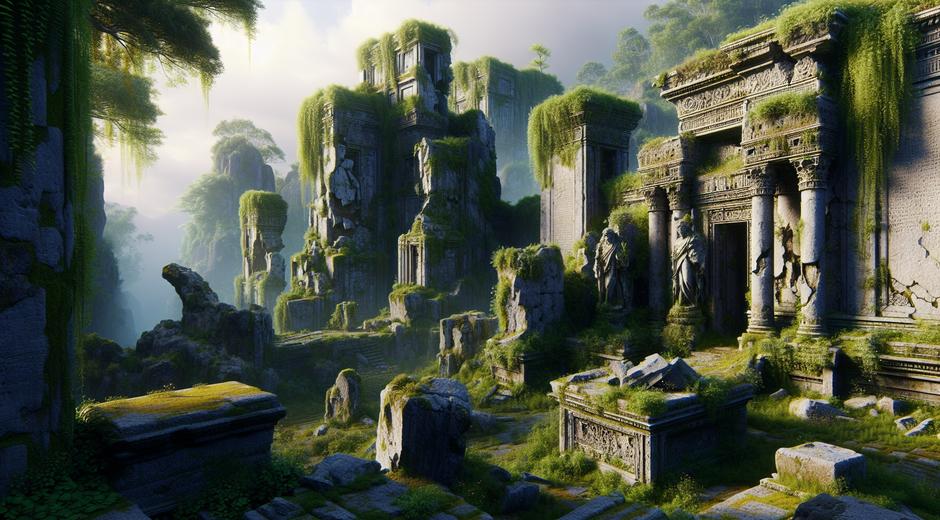
The Khmer empire centered at Angkor built vast temple complexes that rival the best engineering feats of the time. Environmental management systems that supported large populations later fell into disuse. Modern study of these systems reveals how climate and human planning interact.
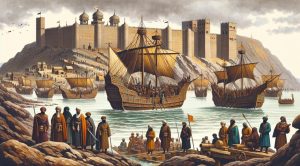
Other cases include the ancient city states of the Aegean world civilizations in the highlands of South America and maritime societies along major trade routes. Each Lost Civilization carries unique context and recurring patterns. Resource limits climate shifts trade disruption and social fragmentation frequently appear in decline scenarios.
How Archaeologists and Scientists Rediscover Lost Civilizations
Rediscovery begins in many ways. Sometimes chance finds open the door to new worlds. A farmer discovers a carved stone in a field. A construction crew uncovers pottery. Other times scientific innovation drives discoveries. Ground penetrating radar LiDAR and satellite imagery penetrate vegetation and soil to reveal urban grids and road networks hidden for centuries. LiDAR used over dense forest regions has transformed our picture of many Lost Civilizations by revealing man made features under canopy.
Cultural materials and inscriptions provide direct links to thought patterns and belief systems. When written records are absent researchers turn to material culture settlement patterns and environmental data. Radiocarbon dating and other chronometric methods create timelines. Isotopic analysis reveals diet migration and trade. Pollen and sediment cores inform on climate and land use. Together the evidence forms a multi layered story.
Collaborative research that involves local communities and indigenous knowledge also plays a crucial role. Oral histories often preserve memory of past events that align with material findings. Ethical engagement ensures that rediscovery respects living traditions and supports local stewardship of heritage sites.
Common Causes Behind Societal Decline
Examining multiple Lost Civilizations reveals recurring drivers. Environmental change is often central. Shifts in rainfall tectonic events volcanic eruptions and sea level variation alter the resource base on which societies depend. Human decisions compound these effects. Deforestation overgrazing and unsustainable agricultural methods can degrade the land and reduce resilience.
Social and political factors also matter. Centralized states that fail to adapt to stressors suffer breakdown. Economic networks that depend on long distance trade may collapse if trade routes shift or rivals emerge. Disease and demographic shifts can accelerate decline. Importantly declines are rarely caused by a single factor. Instead complex interaction among environment economy and governance usually explains transitions.
Why Lost Civilizations Matter for Modern Life
Studying Lost Civilizations provides more than historical curiosity. It offers case studies in resilience and fragility. Urban planners environmental scientists and policy makers can learn from past successes and failures. For example ancient water management systems inspire contemporary designs in regions facing water stress. Traditional agricultural practices that sustained communities for centuries may offer alternatives to modern industrial systems that degrade soil.
Lost Civilizations also shape cultural identity and heritage. They inform national narratives and local pride. Protecting archaeological sites fosters tourism and education while creating jobs and encouraging conservation. This is why open access to research and clear communication matter. If you wish to explore more content across a wide range of ancient cultures visit chronostual.com for articles guides and curated resources.
Debates and Myths: Separating Science from Speculation
Popular imagination sometimes conflates Lost Civilizations with mythic tales of advanced ancient technology or global civilizations erased overnight. Scientific study relies on evidence and rigorous methods. Radiometric dating stratigraphic analysis and comparative linguistics provide a framework for reliable reconstruction. Myth and legend remain valuable as cultural expressions. They may point researchers toward sites and practices but they do not replace empirical study.
Another common debate centers on whether modern societies can learn from ancient collapses. Some argue that past societies had less complexity and therefore little relevance. Others find clear parallels in resource management inequality and governance. The most productive perspective treats past and present as different contexts with transferable insights rather than one to one parallels.
How You Can Engage With the Study of Lost Civilizations
Interest in Lost Civilizations can fuel lifelong learning and even public participation in research. Museums universities and cultural institutions offer courses volunteer opportunities and citizen science projects. Field schools provide hands on experience in excavation and recording. If your interest includes improving focus while reading academic papers or synthesizing complex findings the right tools help. Explore productivity and training resources at FocusMindFlow.com to support deep study and effective note taking.
Reading primary research literature and accessible syntheses helps build a grounded understanding. Visiting sites with knowledgeable guides connects material remains with human stories. Finally supporting heritage preservation through ethical tourism donations or advocacy keeps these sites and their stories available for future generations.
Conclusion
Lost Civilizations remain a rich subject for scholars students and curious readers. They teach us about innovation adaptation and vulnerability. Modern tools make rediscovery faster and more precise than ever. The work we do to conserve study and interpret these cultures shapes how we understand human history and how we plan for the future. Whether you are a student of history an amateur explorer or a professional researcher the study of Lost Civilizations opens paths to better understanding our shared past and present.