

Sumerian City States
The phrase Sumerian City States evokes images of sun baked mud brick walls towering over broad canals and bustling marketplaces in the heart of ancient southern Mesopotamia. These early urban centers shaped the first known experiments in organized government complex economies and written records. Understanding how Sumerian City States formed operated and left a legacy helps explain the foundations of urban life politics and culture across millennia.
Origins and Geographic Setting
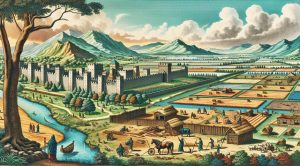
Sumerian City States emerged in the river plain between the great waterways that fed into the sea of reeds. Rich alluvial soils allowed intensive agriculture once communities invested in coordinated irrigation and drainage. Small settlements grew into large towns as surplus grain supported specialists craftsmen and sustained priesthoods. Over time a number of independent capitals such as Uruk Ur Lagash and Eridu became focal points of power competing for resources labor and influence across the plain.
Political Structure and Leadership
Unlike later centralized empires the Sumerian City States were autonomous political units each centered on a major urban temple complex and palace. Leadership structures varied but commonly blended religious and civic authority. Priests managed temple estates irrigation and ritual while a civic ruler often titled ensi or lugal handled defense judicial matters and external diplomacy. These roles could shift with crises new dynasties or changing economic realities creating a vibrant political landscape of negotiation contest and occasional conquest.
Economy Agriculture and Trade
At the heart of each Sumerian City State was an economy rooted in agriculture. Farmers produced barley vegetables and livestock that supported a diverse range of artisans merchants and officials. Irrigation systems required ongoing maintenance and coordination which in turn fostered complex bureaucracies. Surpluses enabled craft specialization in pottery metalwork textiles and beautifully carved cylinder seals. Long distance trade extended Sumerian influence beyond the plain importing timber precious metals and stone while exporting grain textiles and crafted goods.
Religion Social Organization and Urban Space
Religion structured public life within Sumerian City States. Each city honored a patron deity with a major temple that dominated the urban skyline both physically and symbolically. These temple complexes served as economic centers managing land labor and storage of surplus. Social hierarchy centered around the temple the palace and the household with distinct roles for priests merchants artisans and farmers. Urban spaces contained markets courts residential neighborhoods and public terraces where civic life unfolded and communal rituals reinforced identity and cohesion.
Writing Administration and Record Keeping
One of the most transformative innovations connected to Sumerian City States was the development of cuneiform writing. Initially created to record transactions and inventory the system evolved to document law myth literature and scientific observation. Administrative tablets enabled city officials to manage taxation labor allocation and resource distribution with unprecedented precision. The earliest known legal codes and syllabaries reveal how writing became integral to governance education and cultural expression across the city states.
Architecture and Monumental Building
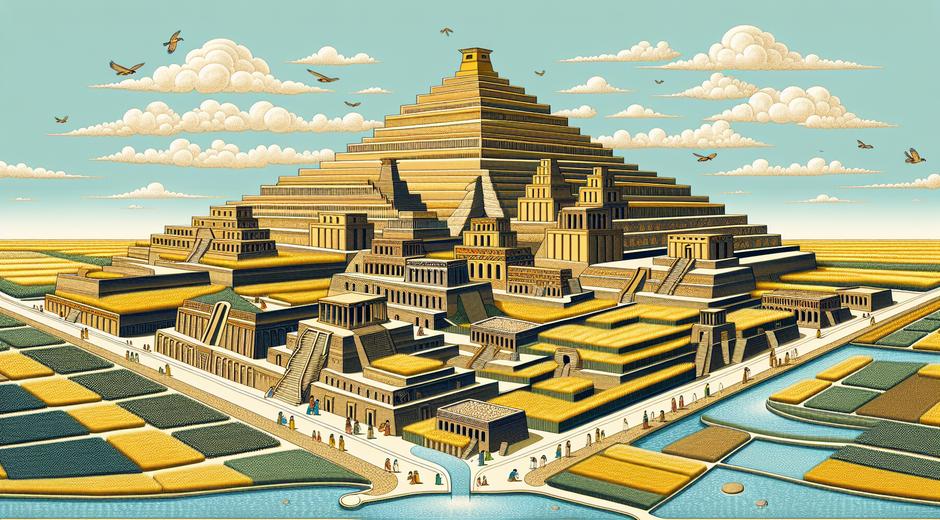
Architectural achievements signaled both religious devotion and civic pride in Sumerian City States. Ziggurats rose as stepped platforms for temples visible across the plain. These monumental structures expressed cosmology and the link between ruler and deity. Urban planning reflected functional needs including storage courtyards workshops and defensive walls. Mud brick construction often incorporated decorative elements and sophisticated drainage demonstrating an advanced approach to form and function within a challenging environment.
Conflict Diplomacy and Regional Networks
Competition for water arable land and trade access led Sumerian City States into recurrent conflict alongside periods of alliance and cooperation. Military organization varied from city to city yet included infantry charioteers and fortified positions. Treaties trade agreements and dynastic marriages served as tools of diplomacy. Over time certain cities rose to regional dominance establishing short lived hegemonies that reshaped political boundaries and cultural exchange across the plain.
Cultural Achievements and Intellectual Life
Literature mathematics astronomy and law flourished within the environment of the city states. Epic poetry hymns and lists of kings preserved historical memory and expressed societal values. Administrative needs stimulated early mathematics and measures while careful observation of the heavens laid groundwork for astronomy. Schools trained scribes who became critical for administration and the transmission of knowledge ensuring cultural continuity and innovation across generations.
Decline Transformation and Legacy
The influence of Sumerian City States did not end with political decline. Over centuries new powers absorbed Sumerian institutions language and technology while adapting them to broader imperial contexts. The concept of urban governance irrigation based agriculture written administration and monumental architecture traveled beyond the original plain shaping civilizations across the ancient world. Modern historians archaeologists and educators study these city states to trace the roots of urban culture law and organized religion.
For readers who want more accessible introductions and thematic essays on ancient urban life consult chronostual.com where curated articles explore cities kings and everyday people across early history. For those curious about how family structures and social norms from ancient times echo in modern practices a surprising entry point is found at CoolParentingTips.com which connects historical insight to contemporary life in practical ways.
Why Study Sumerian City States Today
Studying Sumerian City States offers valuable lessons about the processes that accompany urbanization social complexity and technological innovation. These ancient centers illustrate how human communities organize labor manage resources and create governance frameworks that respond to environmental pressures. Insights from the archaeological and textual record inform modern debates on sustainability urban planning and cultural resilience. In short lessons from Sumerian City States remain relevant for scholars students and anyone interested in the deep past that formed the foundations of the present.
Conclusion
The story of Sumerian City States is the story of human capacity to create ordered communal life at scale. From irrigation ditches to towering temples from the first written tablets to the networks of trade and diplomacy these urban centers left a profound imprint on history. By studying them we gain perspective on how cities emerge adapt and influence human destiny. The more we learn about Sumerian City States the clearer becomes the continuity that connects ancient innovations to the challenges and achievements of urban life today.