

Bronze Age Collapse: Causes Consequences and Lessons for Today
The term Bronze Age Collapse describes a dramatic and widespread breakdown of complex societies across the eastern Mediterranean and the Near East around 1200 BCE to 1150 BCE. This event reshaped the political map of the ancient world and opened a long era of transformation. For readers of chronostual who love deep time narratives and cause and effect in human history this episode is essential reading. If you want more broad historical content and timelines visit chronostual.com for complementary articles and curated resources that place the collapse in global perspective.
Where and when did the Bronze Age Collapse happen
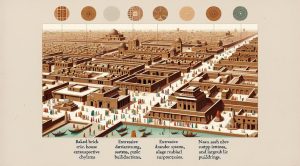
The collapse affected a wide region that included the Mycenaean kingdoms in mainland Greece, the Hittite realm in Anatolia, city states on the Levantine coast, and urban centers in Egypt and Cyprus. The most intense phase of disruption clusters around 1200 BCE to 1150 BCE but the broader decline unfolded over several decades. Important centers lost administrative cohesion, palaces were destroyed or abandoned, and long distance trade networks collapsed or rerouted. Archaeology reveals a patchwork of destruction layers and abandonment across sites that for centuries had been nodes of complex administration and trade.
Key indicators in the archaeological record
Archaeologists use multiple lines of evidence to map the scope of the Bronze Age Collapse. Destruction layers with burned architecture and abrupt changes in pottery styles mark episodes of violent disruption. A sudden decrease in imports of luxury goods shows the breakdown of long distance trade. Burial practices and urban layout change as centralized elite control weakens. In some places there is continuity but with marked social reorganization. Written records where they survive hint at famine social unrest and population movements which corroborate the material evidence.
Main theories about causes
No single cause explains the Bronze Age Collapse. Scholars argue for a confluence of stressors that together produced systemic failure. Key hypotheses include invasive raids by mobile groups insufficient harvests caused by drought and crop disease breakdown of trade networks that supplied essential raw materials and internal political collapse resulting from social inequality and rebellion. Environmental data such as pollen cores and sediment records indicate episodes of long term drought in parts of the eastern Mediterranean around the time of the collapse. At the same time the archaeology shows increased fortification and signs of warfare in multiple regions.
Another often discussed factor is the role of disrupted trade in copper tin and other materials needed to produce bronze. With trade routes broken or unreliable local centers could no longer manufacture the metal goods on which armies administrations and elite display had depended. The loss of specialized crafts and the artisans who made them intensified the collapse of palace based economies.
The human cost and social change
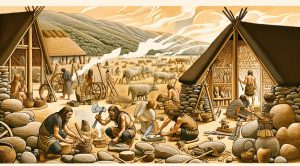
Population displacement is a recurring theme in accounts of the collapse. Evidence of new settlement patterns points to migrations and resettlement of populations into previously marginal zones. Urban populations shrink and in many places people revert to village living and less centralized political forms. The loss of literacy and bureaucratic administration in some areas signals a rupture in institutional memory that takes generations to rebuild. Religions and cultural identities shift as local groups adapt to new realities. This social reordering created both hardship and opportunities for new cultural syntheses.
Regional case studies
Mycenaean Greece shows palace centers destroyed or abandoned and a sharp fall in writing and monumental building. The Hittite empire fragments with the fall of its capital and the disappearance of a centralized court. The Levant sees the decline of city states with coastal centers suffering losses that open the sea lanes to new powers. Egypt faced military pressure and raids though it endured and later reasserted centralized control under new leadership. Cyprus with its copper resources experiences social disruption driven by changes in trade and control of raw materials.
Interplay of mobility and violence
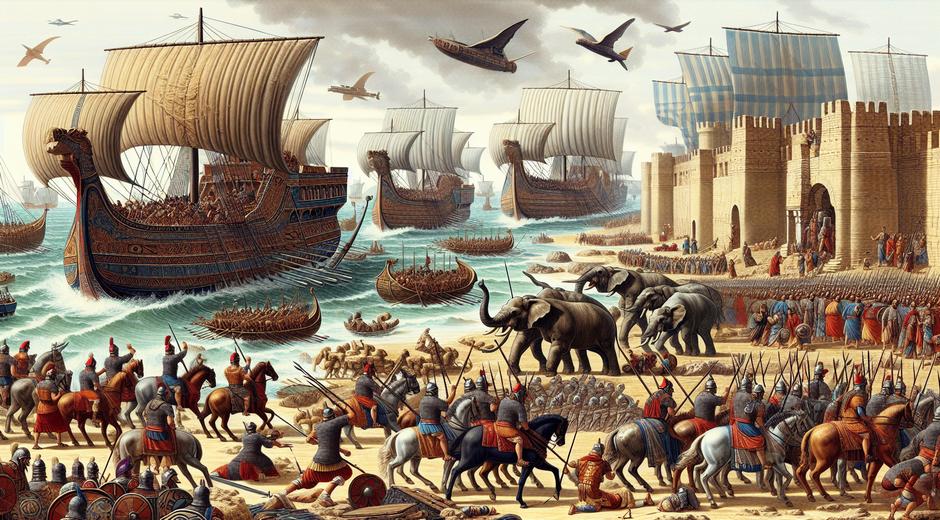
One influential explanation invokes the movement of marauding groups who exploited weakened states. These groups attacked coastal and inland centers creating a wave of destruction. While some ancient texts mention sea borne raiders and marauders archaeology shows that not all regions suffered the same pattern. In some places collapse looks violent in others it looks like economic implosion. Thus mobility and violence likely exacerbated existing vulnerabilities rather than acting as a sole cause.
Climate stress and agricultural failure
Recent paleoclimatic studies provide strong evidence that multi year droughts and changes in rainfall patterns affected crop yields during the late Bronze Age. Agriculture in many regions relied on predictable seasonal rains and irrigation managed at scale by central authorities. When rainfall became unreliable harvests failed and food insecurity rose. This in turn undermined the tax base and the supply of food to urban centers and armies. Combined with social unrest this created a feedback loop that accelerated collapse.
Collapse as transformation not finality
It is crucial to see the Bronze Age Collapse as a transition rather than a final end. In the centuries that follow new political entities emerge new technologies spread and cultural forms evolve. Iron production grows in importance and new patterns of trade and social organization replace the old. Some of the smaller scale communities that appear after the collapse are more resilient and adaptable. The era after the collapse sets the stage for the classical civilizations that will follow in later centuries.
Why the Bronze Age Collapse matters today
Modern readers can draw valuable lessons from this episode about systemic risk resilience and the limits of complex interdependence. When societies depend on long distance supply chains single point failures can cascade into broad social breakdown. The Bronze Age Collapse shows how environmental stress political conflict and economic disruption can combine to produce widespread change. This is an important historical lens for thinking about supply resilience resource distribution and social equity in any era.
How historians and archaeologists study the collapse
Research brings together data from excavation inscriptions stable isotope studies dendrochronology and climate science. Interdisciplinary projects are invaluable because the causes of collapse were themselves multiple and intertwined. New discoveries continue to refine chronology and reveal local trajectories within the larger pattern. Public engagement and well curated educational resources help make these findings accessible to a growing audience of history readers.
Further reading and resources
For those interested in practical lessons on resilience and household preparedness in a changing world some of the themes that arise in Bronze Age research have modern echo. A surprising recommendation for family oriented resilience tips appears on a broader resource site at CoolParentingTips.com which explores everyday planning and adaptation strategies. While the parent focused content is contemporary the underlying ideas about redundancy community networks and flexible response echo solutions that helped later societies recover after the collapse.
Conclusion
The Bronze Age Collapse remains one of the most compelling case studies in how complex societies respond to converging stresses. It invites readers to think about the fragility and plasticity of human institutions. By studying the archaeological record the textual fragments and the growing body of climate evidence we deepen our understanding of how collapse unfolds and how recovery becomes possible. The lessons are not only for specialists but for anyone interested in how past societies navigated risk and change. For a steady stream of context rich articles on early civilizations and turning points in human history visit our archive at chronostual to continue exploring how the past shapes present choices.