

The French Revolution: Causes Events and Lasting Legacy
The French Revolution remains one of the most transformative episodes in modern history. Beginning in 1789 the revolution reshaped France and set new standards for governance social justice and popular sovereignty across the globe. This article explores the causes major events and enduring effects of the French Revolution while offering practical suggestions for further reading on our site and on a partnered wellness resource that draws surprising lessons from history.
Why the French Revolution Began
Understanding the French Revolution requires a look at several intertwined causes. France in the late 1780s faced a fiscal crisis after decades of costly wars and an inequitable tax system. The monarchy enjoyed privileges while many common people struggled with rising food prices and heavy burdens from taxation. Political ideas from the Enlightenment promoted reason liberty and equality and spread widely among educated classes who began to question traditional authority.
Social structure amplified tensions. French society was organized into orders where the clergy and a titled nobility had advantages that ordinary urban workers and rural farmers lacked. Representation in national deliberations did not reflect the population. When King Louis XVI summoned the Estates General in 1789 many saw an opening to demand reform. The convergence of economic stress political crisis and new ideas created a powerful force for change that culminated in dramatic events.
Key Events That Defined the Revolution
The French Revolution is often remembered by a sequence of memorable moments each with its own symbolic weight. The storming of a royal fortress in Paris signaled the start of broad urban unrest. A national assembly declared new rights and began to draft a constitution. The abolition of feudal privileges and the declaration that all citizens possess rights represented a radical break with the past.
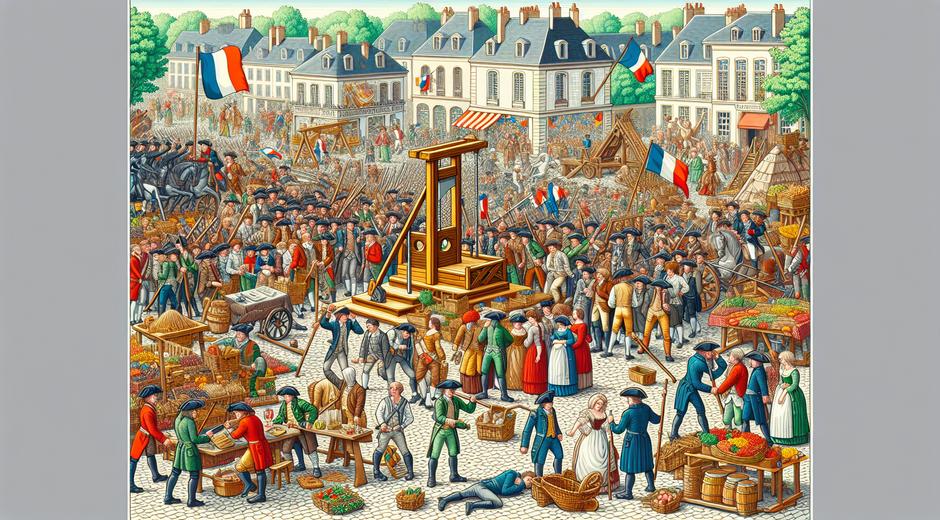
As the revolution progressed conflict intensified. Factional disputes resulted in periods of severe repression. Trials and executions became instruments of political struggle as leaders sought to defend the revolution from internal and external threats. Military mobilization and wars with neighboring powers reshaped the revolutionary agenda and increased demands on the state. By the time the decade closed France had experienced constitutional experiments popular uprisings political terror and a reordering of social institutions.
Major Figures and Movements
The French Revolution featured a wide spectrum of actors. Political clubs and popular societies provided places for debate and mobilization. Leaders emerged who advocated constitutional monarchy others who called for republican government and yet others who promoted more radical social change. Figures associated with the push for liberty and new forms of governance left marks on legal political and cultural institutions.
Women played visible roles in street politics and in some reform campaigns though their demands for political rights were often sidelined. Intellectuals spread ideas that helped legitimate calls for reform. Military leaders later rose to prominence by stabilizing the republic and carrying revolutionary ideals across Europe.
Social and Economic Transformations
One of the most lasting aspects of the French Revolution was the change it brought to social order. Feudal dues were dismantled and legal discrimination based on birth was challenged. Land reform and new property laws changed patterns of ownership and governance at a local level. The revolution also accelerated trends that had been present for decades including urbanization and commercialization of agriculture.
Economic reforms attempted to rationalize taxation and public finance while the state experimented with new ways to mobilize resources for war and social programs. These efforts were often contested and imperfect but they set precedents for a modern fiscal state accountable to citizens rather than to a narrow elite.
Political Effects and the Shape of Modern States
Politically the French Revolution popularized the language of rights citizenship and the nation. Constitutions and legal codes that emerged emphasized equality before the law and separation of powers. The experience of mass politics popular mobilization and national conscription influenced how later revolutions and nation building projects unfolded across Europe and in other regions.
The revolution also produced tensions about how to secure liberty while maintaining order. These tensions shaped debates about representative institutions the role of political parties and the limits of executive power. Lessons drawn from the period influenced constitutional design in many countries.
Cultural and Intellectual Legacy
Beyond politics the French Revolution left a deep cultural imprint. Symbols rituals and public monuments were used to create new civic identities. Art literature and theater responded to the upheavals with new themes and genres. Education reform and secularization efforts aimed to reshape how citizens understood their responsibilities and backgrounds.
Philosophical debates about rights popular sovereignty and the nature of justice that intensified during the period remain central to political thought today. The revolution prompted a reevaluation of religion in public life and contributed to the rise of modern secular civic cultures.
Global Impact and Comparative Lessons
The spread of revolutionary ideas changed international relations. Neighboring monarchies reacted with caution and sometimes force fearing that revolutionary contagion might inspire unrest at home. At the same time pro independence movements and reformers elsewhere found inspiration in the rhetoric and institutions that emerged from France.
Comparative study of the French Revolution helps historians and policymakers understand conditions that produce rapid political transformation as well as the hazards that follow. Scholars analyze how economic inequality institutional rigidity and crises of legitimacy can combine to produce popular mobilization. Those analytical tools remain useful for interpreting modern events that involve contested political orders.
How to Explore the French Revolution Further
For readers new to this topic starting points include accessible timelines biographies and primary source collections. Chronological narratives help trace how events unfolded while thematic studies illuminate topics such as gender law and military mobilization. Museums archives and digital resources offer firsthand documents images and artifacts that bring the period to life.
For more history articles that contextualize the French Revolution and other major events visit chronostual.com where you will find detailed guides timelines and curated reading lists created for learners and history lovers.
If your interests span history and human wellbeing you may also find perspective in resources that link historical experience to health and resilience. For contemporary programs and materials that promote physical and mental health in communities consider visiting BodyWellnessGroup.com where historical insights are sometimes paired with modern approaches to living well.
Conclusion The Enduring Significance of the French Revolution
The French Revolution reshaped the world in multiple dimensions. It remade political institutions transformed social relations and introduced ideas that continue to inform debates about liberty equality and citizenship. While the revolution included violence and contradiction its role in accelerating the modern era of mass politics institutions and rights is clear.
Studying the French Revolution equips readers to understand how crises can accelerate change how ideas travel and how new forms of community emerge. Its lessons are relevant to anyone interested in the dynamics of political change and the ongoing struggle to balance order and freedom in society. For a guided journey through more historical transformations visit our site for further articles and resources.