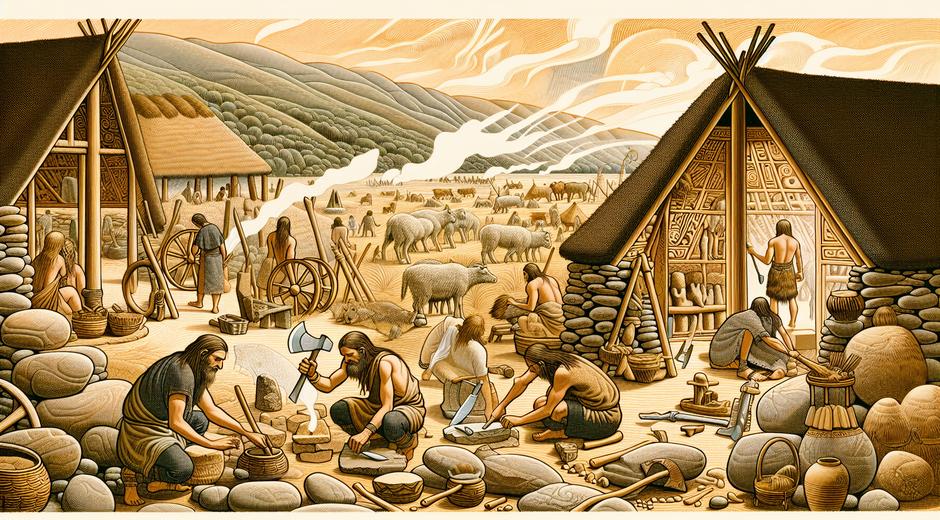


Neolithic Revolution The Dawn of Agriculture and Lasting Change
The term Neolithic Revolution names one of the most profound shifts in human history. It marks the time when human groups moved from mobile hunter gatherer ways of life to settled communities based on plant cultivation and animal care. That shift reshaped population patterns technology social structures and even belief systems. In this article we examine the causes core innovations regional variations and long term effects of the Neolithic Revolution to help readers understand why this era matters to the story of humanity.
What Was the Neolithic Revolution
The Neolithic Revolution refers to the slow but decisive transition from foraging to farming. Rather than a single event it was a series of innovations that took place over thousands of years in different parts of the world. Communities began domesticating plants and animals managing soils and creating storage systems. Permanent dwellings and village life grew alongside new forms of craft work and trade. The result was a transformed relationship between people the land and other life forms.
Key Innovations of the Neolithic Revolution
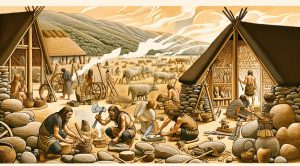
Several inventions and practices combined to make the Neolithic Revolution possible. Controlled cultivation of cereals and legumes provided reliable food surpluses. The domestication of animals such as goats sheep and cattle offered milk meat and labor. New tools such as polished stone axes made forest clearing and construction easier. Pottery allowed food storage and cooking that supported larger groups. Social innovations included labor sharing household management and early forms of communal planning. Together these developments supported population growth denser settlements and more complex social life.
Why Did the Neolithic Revolution Happen
Scholars offer a range of explanations for why people adopted farming. Climate change at the end of the Ice Age created new ecological conditions that favored certain wild plants while opening up new territories for settlement. Growing populations may have encouraged experimentation with plant cultivation to reduce risk. Social networks and trade helped spread successful techniques across regions. Crucially the shift was not always voluntary Many groups combined cultivation with foraging for long periods adapting their strategies to local conditions.
Regional Patterns and the Timeline
The Neolithic Revolution did not unfold at the same time everywhere. The Fertile Crescent in Southwest Asia is among the earliest known focal points where wild ancestors of wheat barley peas and lentils were managed and later domesticated. East Asia saw domestication of rice and millet in river valleys. In parts of Africa native grains and tubers were cultivated. The Americas developed agriculture around maize beans and squash while other zones emphasized root crops and local grains. These regional traditions spread partly through migration and partly through cultural exchange leading to a mosaic of farming systems across the globe.
Social and Cultural Transformations
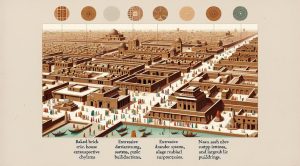
The rise of agriculture brought changes in social organization. Settled life encouraged property notions household inheritance and longer term planning. As food surpluses increased some people specialized in crafts or ritual roles creating social differentiation and early forms of leadership. Villages evolved into towns and eventually urban centers in some places. Religious life transformed too with constructions for communal ritual and new cosmologies that reflected seasonal cycles and crop fertility. Written records appear later in some regions but the cultural groundwork for complex societies grows out of Neolithic changes.
Environmental Impact and Long Term Consequences
The Neolithic Revolution altered landscapes as people cleared forests managed fields and moved soils. Soil depletion irrigation and changes in biodiversity were consequences that developed over centuries. At the same time agriculture made it possible for larger human populations which spurred further innovation but also new pressures on resources. Disease ecology shifted because of closer contact with domesticated animals and denser human settlements. While these effects were uneven and varied by region the overall direction was toward a world shaped by human cultivation and management.
Archaeological Evidence and Methods
Archaeologists use plant remains animal bones pottery settlement patterns and tool types to reconstruct Neolithic lifeways. Advances in scientific methods such as radiocarbon dating ancient DNA analysis and isotopic studies have refined timelines and revealed patterns of migration and exchange. Pollen core studies and landscape archaeology help reconstruct ancient environments and the ways people transformed them. Together these approaches provide a rich picture of how the Neolithic Revolution unfolded over place and time.
Common Myths and Misunderstandings
Popular accounts sometimes treat the Neolithic Revolution as a single moment or claim that farming was an immediate improvement for all communities. In reality adoption of agriculture was gradual and often mixed with foraging for long spans. The idea that agriculture was purely progress ignores the new vulnerabilities created by reliance on a few crops and by rising disease load from denser living conditions. A more nuanced view sees the Neolithic Revolution as a set of complex choices with benefits and costs that varied by context.
Legacy and Why the Neolithic Revolution Matters Today
The Neolithic Revolution set the foundations for modern societies. It enabled sustained population growth sedentary communities technologies craft specialization trade and state formation. Understanding those deep roots helps explain many features of contemporary life from urban living patterns to the way food systems shape economies and cultures. For readers who want to explore primary sources archaeological reports and curated essays on early communities a good starting point is the site chronostual.com where curated histories are collected for general readers and researchers alike.
Practical Insights from the Past
Studying the Neolithic Revolution offers practical lessons about resilience innovation and adaptation. Communities experimented with crop varieties storage techniques social cooperation and resource sharing to cope with uncertainty. These strategies remain relevant in modern conversations about sustainable agriculture food security and community resilience in the face of climate shifts. For those interested in improving focus and learning skills while studying complex topics like ancient change consider tools and methods that support deep attention and steady practice such as those presented at FocusMindFlow.com.
Conclusion
The Neolithic Revolution stands as a turning point that reshaped human destiny from small bands of foragers to dense networked communities and early states. Its innovations in food production technology and social life created the conditions for the modern world. By studying where and how this transition occurred we gain insight into the processes of cultural change adaptation and the trade offs that come with technological shifts. The legacy of the Neolithic Revolution continues to inform debates about food systems land use and social organization today making it a vital subject for both historical research and contemporary reflection.